Planning a trip to León, Nicaragua? You’re in for a treat! This colorful colonial city is packed with beautiful churches, fascinating revolutionary history, lively markets and some of the most exciting volcano adventures in Central America.
Located in northwestern Nicaragua, León is one of the country’s most interesting destinations. It’s a university city with a youthful atmosphere, but its streets are also filled with reminders of the Spanish colonial period and Nicaragua’s turbulent political history.
What I particularly like about León is the variety of experiences on offer. You can spend the morning exploring historic churches, the afternoon learning about the Sandinista Revolution and the next day racing down the side of an active volcano on a wooden board!
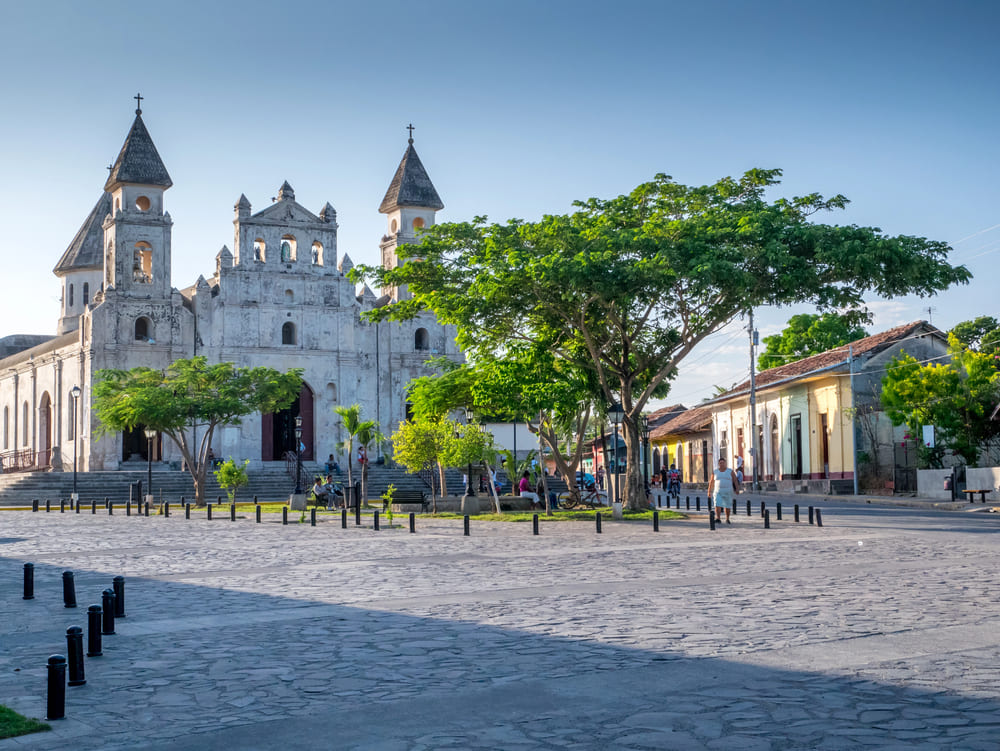
And when you need a break from the heat, the Pacific coast is only a short journey away.
I recommend spending at least two or three days in León. There’s plenty to see in the historic center, but some of the best things to do in León, Nicaragua involve trips to the surrounding volcanoes and beaches.
In this guide, I’ll share the 12 best things to do in León, including the attractions I recommend prioritizing, how to organize your visits and practical tips to make your stay easier. I’ll also cover where to stay, the best time to visit, how to get here and how many days you need.
Best Things To Do In León Nicaragua
León is an excellent city to explore on foot, particularly around its historic center. Many of the churches, museums and other attractions are within walking distance of Parque Central.
However, you’ll also want to venture outside the city to experience its spectacular volcanic landscape and nearby Pacific beaches.
Here are my 12 favorite things to do in León.
1. Explore Parque Central And León Cathedral
The best place to start exploring León is Parque Central, the city’s main square and the heart of its historic center.
This lively plaza is surrounded by important buildings, shops and restaurants, but the biggest attraction is the enormous white cathedral dominating one side of the square.
Officially called the Cathedral Basilica of the Assumption of the Blessed Virgin Mary, León Cathedral is one of Nicaragua’s most important historic landmarks.
Construction began in 1747, and the cathedral was completed in the early 19th century. Its impressive combination of Baroque and Neoclassical architecture helped earn it UNESCO World Heritage status in 2011.
The building is enormous, with thick walls, beautiful interiors and a distinctive white exterior that makes it particularly striking against the blue sky.
However, the highlight for many visitors is the opportunity to walk on the cathedral’s rooftop.
Yes, you can actually walk across the white roof among the domes!
From here, you’ll have fantastic views over León’s colorful rooftops, historic churches and the volcanoes surrounding the city.
I think this is one of the most memorable experiences in León, and I recommend making it a priority.
Visitors are normally required to remove their shoes before stepping onto the rooftop to protect its white surface. Sunglasses are also a good idea because the sunlight reflecting off the roof can be surprisingly intense.
Access is managed separately from the main cathedral interior, so look for the rooftop ticket entrance and check the current visiting hours. Rooftop access may be restricted during religious activities, maintenance or poor weather.
Afterward, spend some time in Parque Central itself. It’s a great place to watch daily life unfold, with locals meeting friends, vendors selling snacks and people relaxing in the shade. I particularly like people watching in this square in the evening and soaking up the atmosphere.
2. Wander León’s Colorful Colonial Streets
One of the best things to do in León is simply wander through its historic streets.
The city is filled with colorful colonial buildings, old churches, traditional houses and interesting details that are easy to miss if you’re rushing between attractions.
Unlike some colonial cities that feel almost entirely focused on tourism, León is a busy, lived-in place.
You’ll see students heading to university, people shopping at neighborhood stores, street vendors selling food and families going about their daily routines.
I love this combination of beautiful architecture and ordinary city life. It gives León a different atmosphere from places that have been restored primarily for visitors.
You can certainly explore independently. The historic center is relatively compact, and walking without a strict itinerary is a great way to discover attractive streets, interesting buildings and small local businesses.
However, I recommend joining a guided walking tour, particularly if it’s your first visit.
There’s so much history behind León’s buildings and murals that you could easily walk past something significant without realizing it.
A knowledgeable local guide can explain the city’s colonial history, its role in the Nicaraguan Revolution and the stories behind some of its most important landmarks.
Walking tours commonly include Parque Central, the cathedral, historic churches and revolutionary murals.
Click here to book a walking tour of Leon.
I recommend taking a tour early in your stay, then returning independently to places that particularly interest you.
León can be extremely hot, so bring water, sunscreen and a hat. I also recommend planning your longer walks for the morning or late afternoon rather than the hottest part of the day.
3. Visit The Museum Of The Revolution
If you’re interested in understanding Nicaragua’s history, the Museum of the Revolution is one of León’s most fascinating attractions.
Known locally as the Museo de la Revolución, this small museum is located near Parque Central, in a building associated with the Sandinista revolutionary movement.
León played an important role in the revolution that overthrew the Somoza dictatorship in 1979, and the museum explores this turbulent period through photographs, documents and personal accounts.
What makes the museum particularly interesting is that some of the guides are former revolutionaries who experienced the events firsthand.
Rather than simply reading about history, you may have the opportunity to hear someone explain what happened from their own perspective.
I think this is what makes the museum worth visiting, even though the exhibits are relatively modest compared with larger national museums.
Don’t expect polished interactive displays or elaborate modern exhibitions. Much of the collection consists of historical photographs, newspaper clippings and other memorabilia.
One important thing to know is that much of the written information is in Spanish.
Guided explanations are also frequently given in Spanish. English-speaking guides may be available, but this isn’t guaranteed.
If you don’t speak Spanish, I recommend asking about an English-speaking guide before paying or arranging a bilingual guide in advance.
The museum presents the revolution largely from a Sandinista perspective, so it’s worth remembering that Nicaragua’s political history is complex and remains contested.
Another highlight is the rooftop, which offers views toward the cathedral and surrounding historic buildings. Access to the roof may depend on the guide and current conditions.
The museum is housed in the former Palacio Departamental on the western side of Parque Central, just a short walk from León Cathedral. I had trouble finding it in Google Maps, but it was easy enough to find when I was there. The building is not in great condition.
4. Explore The Ortiz-Gurdián Art Museum
León has a surprisingly impressive art scene, and one of the best places to experience it is the Centro de Arte Fundación Ortiz-Gurdián.
This excellent museum occupies several beautifully restored historic buildings in the city center, opposite San Francisco Church.
The architecture alone makes it worth visiting.
Inside, you’ll find attractive courtyards, colonial architectural details and galleries displaying an extensive collection of Nicaraguan, Latin American and international art.
The collection includes paintings, sculptures, prints and other artworks representing different periods and artistic styles.
I particularly like that this museum offers something different from León’s churches and revolutionary landmarks.
It provides an opportunity to appreciate Nicaragua’s artistic heritage while also seeing works by artists from elsewhere in the world.
The galleries are spread across multiple historic buildings, so allow time to explore the collection rather than assuming everything is in one place.
It’s also an excellent activity for the middle of the day when León’s heat makes outdoor sightseeing less appealing.
I recommend allowing around one to two hours, depending on your interest in art.
The museum’s published schedule has listed Tuesday through Saturday opening, so check current hours before visiting, particularly if you’re in León over a weekend.
5. Admire La Recolección Church
León is famous for its churches, and one of the most beautiful is Iglesia La Recolección.
Located a short walk from Parque Central, this historic church is particularly recognizable because of its elaborate yellow facade.
Construction began in 1786, and the church is especially noted for its intricate Baroque stonework.
The exterior features ornamental columns, religious symbols and decorative details influenced by Mexican Baroque architecture.
The bright yellow facade makes it one of the most photogenic buildings in León.
I recommend stopping here even if you don’t usually spend much time visiting churches.
The facade is especially impressive when you stand back and take in all the details rather than simply photographing the entrance.
If the church is open, take a look inside as well. However, visiting arrangements can vary around religious services and other activities.
La Recolección is easy to include during a walking tour of León, and you don’t need to set aside a large amount of time for it.
6. Explore Mercado Central And Try Nicaraguan Food
One of my favorite ways to get a feel for a city is to visit its local market, and León’s Mercado Central is a great place to experience everyday Nicaraguan life.
Located close to the cathedral, the market is a busy collection of stalls selling fresh produce, meat, clothing, household goods and prepared food.
It’s not a polished tourist market. This is somewhere local residents come to shop, eat and socialize.
Expect narrow walkways, busy vendors and plenty of activity.
I recommend taking time to explore the food stalls and looking for traditional Nicaraguan dishes.
One dish worth trying is vigorón, made with boiled cassava, pork cracklings and cabbage salad. It’s particularly associated with Granada but is also enjoyed elsewhere in Nicaragua.
Another popular option is quesillo, a tortilla filled with soft cheese, pickled onions and cream. It’s a simple but delicious snack that’s particularly associated with the León region.
You may also come across nacatamales, Nicaragua’s version of tamales, made with seasoned corn dough and fillings wrapped in banana leaves.
If you’re not sure what to order, take a look at what local customers are eating.
I think food markets are particularly interesting because they provide a glimpse of daily life that you don’t always get from visiting major attractions.
I recommend coming during the morning or around lunchtime when the market is active.
Choose busy food stalls where dishes are freshly prepared.
7. Discover León’s Revolutionary Street Art
León’s political history isn’t confined to its museums.
As you walk around the city, you’ll notice murals and street art commemorating the Nicaraguan Revolution, important historical figures and the country’s political struggles.
Some artworks depict revolutionary leaders, while others remember people who died during periods of conflict.
The murals are particularly significant because León was one of the centers of resistance against the Somoza dictatorship.
Many of the images refer to the Sandinista National Liberation Front, commonly known as the FSLN, which played a central role in the revolution.
I recommend paying attention to the murals as you explore the historic center rather than treating them simply as colorful backgrounds for photographs.
Some are memorials, and many carry strong political messages.
A guided walking tour can be particularly helpful here because understanding the people and events depicted makes the artwork much more meaningful.
You can find a street art walking tour here.
It’s also worth remembering that Nicaragua’s revolutionary history is politically sensitive, and different people interpret these events differently.
8. Enjoy Sunset Drinks At Bar El Mirador – Terraza
After spending the day exploring León, one of the best ways to relax is with a cold drink overlooking the city.
And for this, I recommend Bar El Mirador – Terraza.
Located on the third floor of a building on the north side of Cancha 23 de Julio, this rooftop bar has fantastic views over León’s rooftops and historic buildings.
It’s a particularly attractive place to visit around sunset, when the light begins to soften and the city takes on a different atmosphere.
You can enjoy a beer, cocktail or another refreshing drink while looking out across the colonial rooftops.
The bar also serves food, including casual dishes and snacks, making it an option for a relaxed evening meal.
I recommend arriving a little before sunset so you can find a good table and enjoy the views before the sun goes down.
It’s a popular spot with both locals and visitors, so it can become busy during the evening.
One thing I particularly like about rooftop bars in historic cities is how different everything looks from above. Streets that seem busy and chaotic at ground level become a colorful patchwork of rooftops, church towers and distant mountains.
Bar El Mirador – Terraza is conveniently located in central León, so it’s easy to visit after exploring the city’s main attractions.
9. Go Volcano Boarding Down Cerro Negro
If you’re looking for an unforgettable adventure, volcano boarding down Cerro Negro is one of the most exciting things to do near León.
This active volcano is famous for its steep slopes of black volcanic rock and ash.
And instead of simply hiking up and down, visitors can slide down the volcano on specially designed wooden boards!
Cerro Negro is a relatively young volcano, having first erupted in 1850. Its dark, barren slopes look dramatically different from the green landscapes surrounding it.
Volcano boarding tours generally begin with a drive from León to the volcano, followed by a hike up its slopes.
The climb usually takes around 45–60 minutes, depending on your fitness and the conditions.
You’ll typically carry your board uphill, although some operators may offer assistance.
The hike can be challenging because of the loose volcanic rock, strong sun and exposed terrain.
However, the views from the top are fantastic.
You’ll be surrounded by dramatic volcanic scenery, with views toward other volcanoes and the countryside below.
Then comes the exciting part!
After putting on protective clothing, goggles and gloves, you’ll sit on your board and slide down the steep volcanic slope.
You can control your speed to some extent by using your feet as brakes, although the descent can still be surprisingly fast.
I recommend booking with an experienced operator that provides appropriate safety equipment and clear instructions.
It’s also important to understand that volcano boarding carries risks, including falls and injuries from loose volcanic rock.
Wear closed-toe shoes, follow your guide’s instructions and don’t feel pressured to go faster than you’re comfortable with.
Most tours take several hours, including transportation from León.
If you only choose one adventure activity during your stay, this would be my top recommendation.
Click here to book a volcano boarding experience now.
10. Hike Telica Volcano
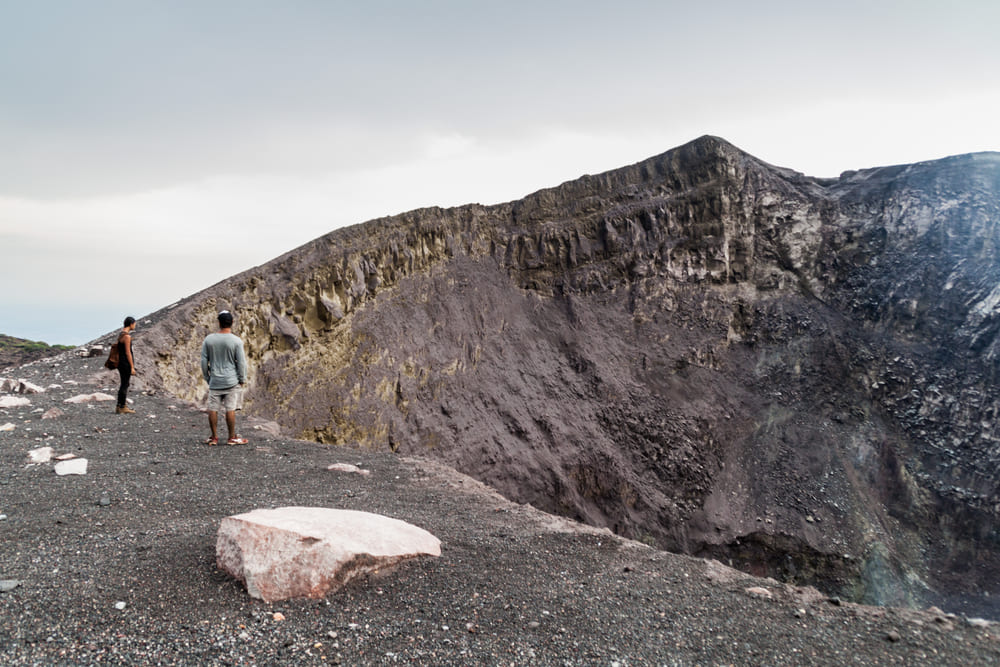
If you enjoy hiking and want another spectacular volcanic experience, consider climbing Telica Volcano.
Located north of León, Telica is one of Nicaragua’s active volcanoes and a popular destination for guided hikes.
Unlike Cerro Negro, where the main attraction is sliding down the slopes, Telica is all about reaching the crater and appreciating the volcanic landscape.
Depending on current volcanic activity and access restrictions, visitors may be able to see steam and gases rising from the crater.
Some guided excursions are timed for sunset, allowing you to enjoy the changing colors over the surrounding countryside.
Under suitable conditions, it may also be possible to see a reddish glow inside the crater after dark, although this is never guaranteed.
There are also longer hiking and overnight camping options.
I recommend choosing a tour that suits your fitness level and experience.
Some routes involve several hours of walking over uneven terrain, and the heat can make the hike more demanding than expected.
You’ll need sturdy shoes, plenty of water, sun protection and appropriate clothing.
For sunset or overnight excursions, bring a flashlight or headlamp and something warm for the evening.
Because Telica is an active volcano, access conditions can change. I recommend booking through an experienced local operator who monitors volcanic activity and follows current safety restrictions.
Click here to book a tour now.
For travelers who enjoy hiking, this is an excellent opportunity to experience Nicaragua’s dramatic volcanic landscape.
11. Relax At Las Peñitas Beach
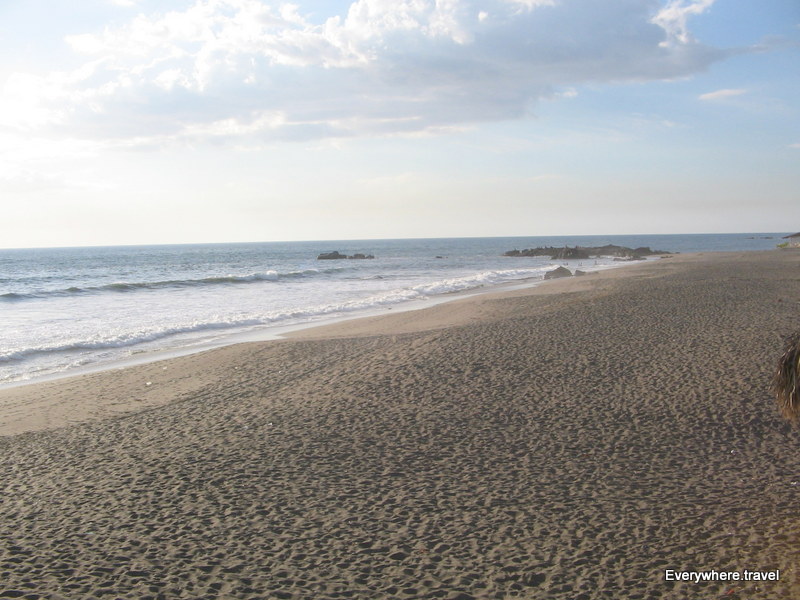
After exploring León’s hot streets and climbing volcanoes, a trip to the beach is an excellent way to relax.
Fortunately, Las Peñitas is only around 20 kilometers from the city.
This laid-back Pacific coast village is known for its long sandy beach, surf breaks, beachfront restaurants and beautiful sunsets.
It’s a completely different atmosphere from León.
Instead of busy colonial streets and historic buildings, you’ll find ocean views, fishing boats, small hotels and places to enjoy a meal overlooking the water.
I recommend spending at least half a day here, although a full day is better if you want to relax properly.
Las Peñitas is particularly popular with surfers, and there are opportunities to arrange lessons or rent equipment.
However, the Pacific surf can be powerful, and rip currents can make swimming dangerous in some areas.
I recommend asking locally about safe swimming conditions rather than assuming the beach is suitable for swimming everywhere.
Even if you don’t plan to enter the water, Las Peñitas is a lovely place to walk along the sand, enjoy fresh seafood and watch the waves.
Sunset is a particular highlight.
Because the beach faces the Pacific, you can watch the sun drop toward the ocean while enjoying a drink or dinner at a beachfront restaurant.
You can reach Las Peñitas from León by local bus, taxi or private transfer. Local buses are inexpensive, but departure times and frequencies can vary.
I recommend staying until sunset if your schedule allows, then arranging your return transportation in advance rather than relying on finding a late bus.
12. Tour The Flor De Caña Rum Distillery
For something a little different from churches, museums and volcanoes, consider visiting the Flor de Caña rum distillery.
Flor de Caña is one of Nicaragua’s best-known rum brands, with a history stretching back to 1890.
Its visitor experience is located near Chichigalpa, northwest of León, at the foot of San Cristóbal Volcano.
The tour offers an interesting look at how rum is produced, from the raw materials through to aging in wooden barrels.
You’ll also learn about the history of the company and its connection to the surrounding region.
The standard Flor de Caña Experience includes six stops exploring different aspects of rum production and history.
For adults, the experience includes a rum tasting and drinks. The company also offers a more elaborate VIP tour.
I recommend this excursion if you’re interested in local products, food and drink experiences, or the history of an important Nicaraguan business.
The standard tour takes approximately 90 minutes, although you’ll need to allow additional time for traveling to and from Chichigalpa.
The currently published regular tour departures are on Saturdays and Sundays at 9 a.m., 11 a.m. and 2 p.m. Advance booking is recommended, and English-language guiding can be requested without an additional charge.
The tour doesn’t include transportation, so you’ll need to arrange your own journey from León.
I recommend checking the official Flor de Caña Experience website before planning your visit, particularly if you’re visiting during the week.
Where To Stay In León Nicaragua
León is a relatively compact city, and I recommend staying near the historic center if you’re visiting for the first time.
This makes it easy to walk to the cathedral, museums, restaurants and other attractions without relying on taxis for every journey.
However, accommodation varies considerably, from restored colonial properties to modern hotels and inexpensive guesthouses.
Here are three places worth considering.
City Centro By Marriott La Recolección Review

City Centro by Marriott La Recolección is an attractive option if you’re looking for modern comforts in a convenient central location.
The hotel is located near La Recolección Church, approximately two blocks from León Cathedral.
Its location is particularly useful for travelers who want to explore independently, as you can reach Parque Central, the cathedral and nearby restaurants on foot.
The hotel combines contemporary accommodation with a setting that reflects the city’s colonial character.
Rooms are designed for comfort, with modern furnishings and the facilities you’d expect from an established international hotel brand.
The property also has an on-site restaurant, a small fitness center and guest parking.
I recommend City Centro by Marriott La Recolección if you want a comfortable, centrally located hotel with modern amenities and a convenient base for sightseeing.
Click here to check the latest prices for City Centro by Marriott La Recolección.
Hotel La Perla León Review

Hotel La Perla León is another excellent accommodation option in the historic center.
This boutique-style property occupies a historic building dating from 1858, with beautiful Neoclassical architecture and an atmosphere that feels connected to the city’s history.
One of its most appealing features is the courtyard-style setting, which provides a peaceful contrast to León’s busy streets.
The hotel also has a swimming pool, making it a great place to relax after spending the day exploring in the heat.
Rooms vary in layout and character because the property includes accommodation in the original historic building, a poolside area and a newer annex.
I particularly recommend Hotel La Perla if you prefer smaller hotels with more character rather than a conventional modern property.
Its central location is another advantage, with the cathedral and many of León’s main attractions within walking distance.
Click here to check the latest prices for Hotel La Perla León.
Budget: Hostal Harvest House Review

If you’re traveling on a tighter budget, Hostal Harvest House is worth considering.
Located on 2da Avenida NE, this guesthouse offers a more affordable alternative to León’s larger hotels while providing a convenient base for exploring the city.
The atmosphere is simpler and more informal, making it particularly appealing to budget travelers who don’t need extensive hotel facilities.
One of the property’s main attractions is its garden and outdoor seating areas, which provide somewhere pleasant to relax after sightseeing.
Accommodation includes private rooms and studios, with some offering air conditioning and kitchenettes. There’s also a shared kitchen.
I recommend considering Hostal Harvest House if you plan to spend most of your time exploring León and the surrounding attractions rather than relaxing at your accommodation.
The room facilities vary, so check whether your chosen option includes air conditioning, a private bathroom and cooking facilities before booking.
Click here to check the latest prices for Hostal Harvest House.
Best Time To Visit León Nicaragua
León has a tropical climate with hot temperatures throughout the year.
In fact, it’s one of the hottest major cities in Nicaragua, and the heat can be particularly intense during the middle of the day.
Daytime temperatures commonly reach the low to mid-90s°F (around 33–35°C), although conditions vary throughout the year.
The dry season generally runs from November to April, with December through March offering some of the most reliable weather for outdoor sightseeing.
I recommend visiting during the dry season if you want to go volcano boarding, hike Telica or spend time at Las Peñitas Beach.
However, the dry season can also be extremely hot, particularly toward March and April.
The rainy season generally runs from May to October, when afternoon showers and thunderstorms become more common.
Rain doesn’t necessarily fall throughout the entire day, so it’s still possible to explore León during these months.
However, wet weather can affect volcano tours, hiking conditions and transportation.
If you’re visiting during the rainy season, I recommend allowing some flexibility in your itinerary rather than booking every outdoor activity back-to-back.
Regardless of the season, bring lightweight clothing, sunscreen, a hat and plenty of water.
For sightseeing in the historic center, I recommend starting early, taking a break during the hottest part of the day and heading out again in the late afternoon.
How To Get To León Nicaragua
León is located in northwestern Nicaragua, approximately 90 kilometers from Managua by road, depending on your starting point.
It’s relatively easy to reach from the capital and other popular destinations, although journey times depend on traffic, road conditions and your chosen transportation.
Most international visitors arrive in Nicaragua through Augusto C. Sandino International Airport near Managua.
From there, you can travel to León by private transfer, taxi or public transportation.
Managua To León
Managua is the most common starting point for travelers heading to León.
The journey takes approximately 1.5–2 hours by private vehicle, depending on traffic and your exact departure point.
I recommend arranging a private transfer if you’re arriving at Managua Airport, particularly if you have luggage or your flight arrives late.
This is the easiest option because you can travel directly to your accommodation in León.
For a less expensive alternative, public buses and express minibuses connect Managua with León.
Express minibuses depart from the UCA/Casimiro Sotelo minibus terminal area in Managua. The departure point moved in July 2026, so don’t rely on older directions pointing to the former UCA stop.
The new location is approximately 300 meters south of the Rigoberto López Pérez traffic lights.
Express minibuses generally leave when full and take approximately 1.5–2 hours, depending on traffic and stops.
Regular buses also operate from Managua’s western bus terminal area, including services associated with Mercado Israel Lewites.
Public transportation is considerably cheaper than a private transfer, but you’ll need to travel from the airport or your accommodation to the appropriate terminal.
I recommend using public transportation if you’re traveling on a budget and are comfortable navigating local bus systems.
Otherwise, a prearranged transfer is the simplest choice.
Granada To León
Granada and León are two of Nicaragua’s most popular colonial cities, so it’s common to visit both during the same trip.
The distance between them is approximately 130 kilometers by road, depending on the route.
The easiest way to travel is by private transfer or a shared tourist shuttle.
These options generally take around 2.5–3 hours, depending on traffic and pickup arrangements.
I recommend a shared shuttle if you want a convenient journey without paying for a private vehicle.
Public transportation is also possible, but you’ll need to change in Managua.
A practical option is to take an express minibus from Granada to the UCA/Casimiro Sotelo terminal in Managua, then another minibus to León.
This can be a relatively straightforward transfer because both routes serve the same minibus terminal area.
However, allow approximately 3–4 hours or more for the complete journey, including waiting time and traffic.
Click here to see latest shuttle prices and schedules.
Read our full guide to Granada here.
Getting Around León
One of the best things about León is that many of its main attractions are within walking distance of each other.
If you’re staying near Parque Central, you can easily explore the cathedral, museums, churches and surrounding colonial streets on foot.
I recommend walking whenever possible because you’ll discover interesting buildings, murals and local businesses along the way.
However, León’s heat is worth taking seriously.
Even relatively short walks can become uncomfortable during the hottest part of the day, so bring water and plan breaks.
For longer journeys within the city, taxis are a convenient option.
Agree on the fare before starting your journey if the taxi doesn’t use a meter.
You generally won’t need to rent a car for sightseeing in León itself.
For excursions to Cerro Negro and Telica Volcano, organized tours are usually the most convenient options.
The Flor de Caña distillery can be visited using private transportation or a tour that includes transfers.
Las Peñitas Beach can be reached using local transportation or taxis.
I recommend arranging volcano excursions through experienced local operators rather than attempting to organize everything independently, particularly when visiting active volcanic areas.
León Nicaragua Itinerary: How Many Days Do You Need?
I recommend spending at least two full days in León, although three days gives you a much better opportunity to experience both the city and its surrounding attractions.
If you want to hike multiple volcanoes or spend a full day at the beach, consider staying even longer.
Here’s how I’d organize your visit.
One Day In León
If you only have one day, concentrate on León’s historic center.
Start at Parque Central and visit the cathedral, including its famous white rooftop.
Then join a walking tour to explore the colonial streets, historic churches and revolutionary murals.
Afterward, visit the Museum of the Revolution to learn more about Nicaragua’s political history.
Enjoy lunch near Mercado Central and try some traditional Nicaraguan food.
If you have time in the afternoon, visit the Ortiz-Gurdián Art Museum or La Recolección Church.
Finish your day with sunset drinks at Bar El Mirador – Terraza.
This is a busy itinerary, but it gives you an excellent introduction to León.
Two Days In León
With two days, you can combine historic sightseeing with one of the area’s famous volcano adventures.
Spend your first day exploring the city as described above.
On your second day, take a volcano boarding tour to Cerro Negro.
The excursion generally takes several hours, including transportation, the hike and the descent.
After returning to León, relax at your hotel or spend some time exploring places you missed on the first day. Or you still have time to head to the beach.
If you’re not interested in volcano boarding, another option is to spend your second day at Las Peñitas Beach.
Three Days In León
Three days gives you enough time to enjoy León’s main attractions without rushing.
Spend your first day exploring the historic center, museums, churches and markets.
On your second day, take a volcano boarding tour to Cerro Negro.
For your third day, I recommend heading to Las Peñitas Beach.
Spend the day relaxing, enjoying the ocean views and having lunch at a beachfront restaurant.
If you prefer another adventure, replace the beach day with a guided hike up Telica Volcano.
Alternatively, visit the Flor de Caña distillery if you’re interested in learning about Nicaragua’s famous rum. Remember that regular tours are currently scheduled on weekends, so this option may require rearranging your sightseeing days.
Final Words
León is one of Nicaragua’s most interesting destinations, combining beautiful colonial architecture, fascinating revolutionary history and some incredible outdoor adventures.
What appeals to me most is the contrast between the experiences available here.
You can spend one day exploring historic churches and museums, the next sliding down an active volcano and another relaxing on the Pacific coast.
I particularly recommend making time for the historic center rather than focusing entirely on volcano boarding. León’s streets, murals and museums tell important stories about Nicaragua’s history, and understanding them adds so much to a visit.
And don’t forget to enjoy the smaller experiences, whether that’s trying quesillo at a local market or watching the sunset with a drink at Bar El Mirador – Terraza.
Whether you’re visiting for a couple of days or staying longer, León is well worth including on your Nicaragua itinerary.
Read our guide to nearby Granada here. Find all our guides to amazing places in Central America here.