
Tokyo is one of my favorite cities in the world, and it’s a fantastic destination with kids. In fact, I think having kids with you can make Tokyo even more fun.
This is a city where a museum might involve walking barefoot through knee-deep water surrounded by digital fish, lunch can arrive on a conveyor belt, you can learn to throw ninja stars, and shops dedicated entirely to Pokémon or Nintendo count as legitimate sightseeing. Even catching the train, buying something from a vending machine or wandering through a convenience store can become part of the entertainment.
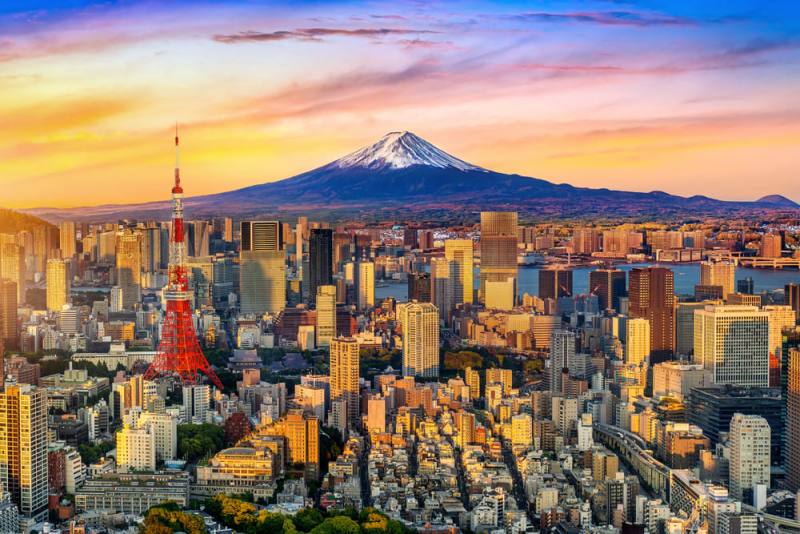
And there is just so much to do. That’s actually one of the problems with planning a family trip to Tokyo. You can quickly end up with an enormous list of attractions spread across an enormous city and an itinerary that looks achievable on Google Maps but is exhausting in reality.
I don’t recommend trying to see everything. Pick the experiences that will genuinely excite your kids and allow more time than you think you’ll need to get between them. Tokyo’s public transportation is excellent, but this city is huge.
I’ve concentrated below on the things I think are genuinely worth considering for a family trip rather than padding the list for the sake of having 50 or 60 attractions. There are options for little kids, older children and teens, and plenty that adults will enjoy just as much.
Here are my top things to do in Tokyo with kids, starting with my number one pick.
Top 25 Fun Things To Do In Tokyo With Kids
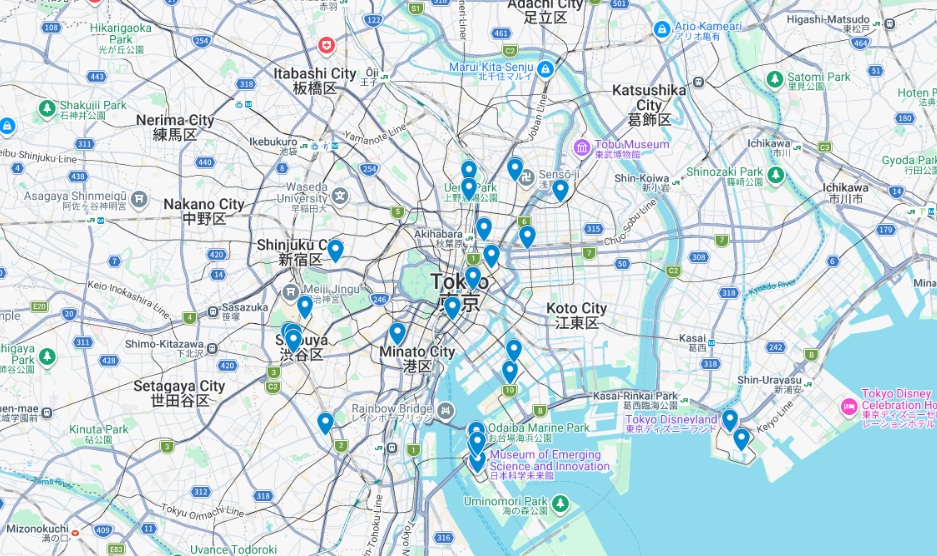
Below these descriptions of the fun things to do in tokyo with family, there is a comparison table showing location, target age and more as well as a map so you can see which attractions are close to each other.
1. Immerse Yourself In teamLab Planets Tokyo
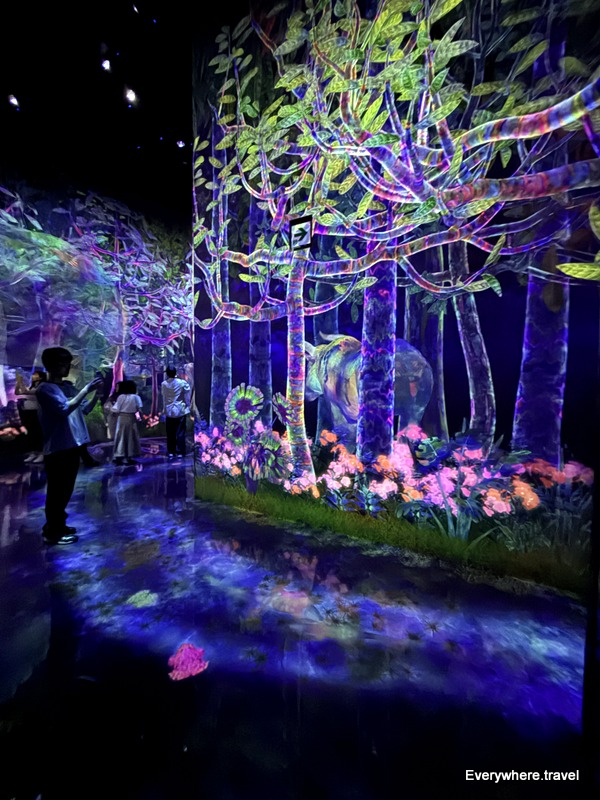
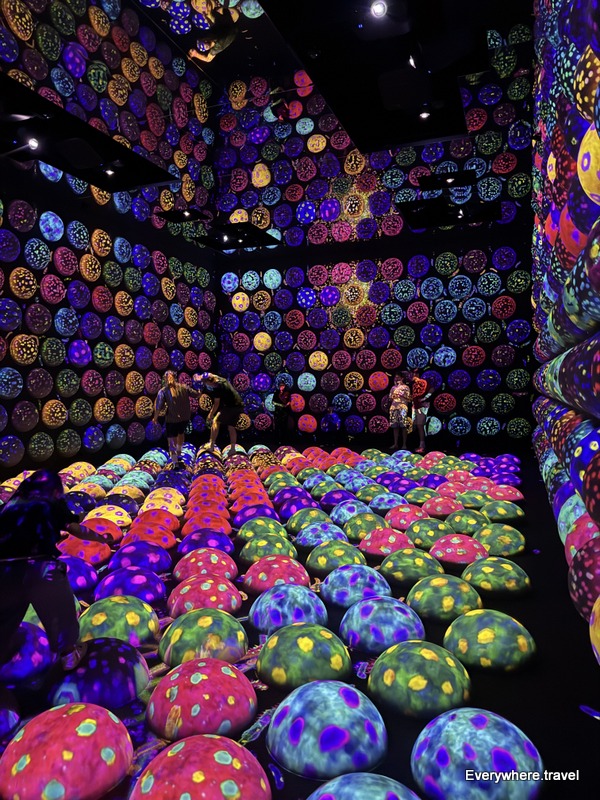
If I could choose just one of these things to do in Tokyo with kids, it would be teamLab Planets.
I absolutely love teamLab. It’s hard to explain just how good it is until you’re inside because describing it as a “digital art museum” makes it sound far more passive than it actually is.
At Planets, you take off your shoes and move through a series of enormous installations using your whole body. In one space, you walk through warm water while projected koi swim around your legs. The fish react to the people moving through the room, colliding with you and transforming into flowers.
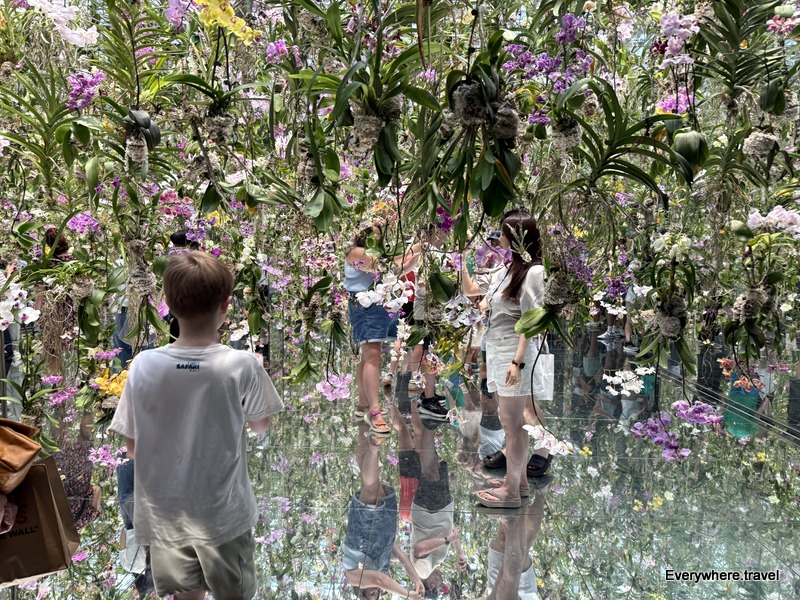
Elsewhere, you’re surrounded by seemingly infinite points of light, walk across unusual soft surfaces and enter a garden where real orchids appear to float around you. There’s also a huge space filled with giant spheres that change color and respond as people push them around.
The experience is deliberately tactile. Instead of constantly telling your children not to touch anything, they’re part of what is happening.
The water areas are a particularly big hit with kids. The water can reach around knee height on an adult in places, so it will obviously be proportionally deeper on small children. You’ll want shorts, clothes that can be rolled up or won’t matter if they get a little wet.
The flooring changes dramatically too, which is part of the fun. You’re barefoot throughout the Water Area, and the experience of moving from water to mirrors, soft surfaces and light is what makes Planets feel so different from a normal museum.
In 2025, Planets expanded with several new areas including Athletics Forest, Catching and Collecting Forest and Future Park, adding even more interactive physical experiences. This makes it an even stronger choice with kids than it was previously.
Allow at least a couple of hours. I wouldn’t sandwich it between tightly timed activities because half the fun is letting the kids investigate instead of constantly moving them along. My 9 year old son wanted to go through it all a second time, and we could have spent many hours here.
Tickets have timed admission and can sell out, so this is something I’d book before arriving in Tokyo. If you are visitng Tokyo during the summer, book a month out at least. Different times of day can cost quite different prices too so you can save money by being flexible.
If you’re wondering whether you should visit Planets or Borderless, my answer with kids is Planets first. This was both mine and my son’s favorite.
If you have enough time, however, I’d absolutely do both. They’re not two versions of the same museum.
Click here to buy your tickets now.
2. Get Lost In teamLab Borderless
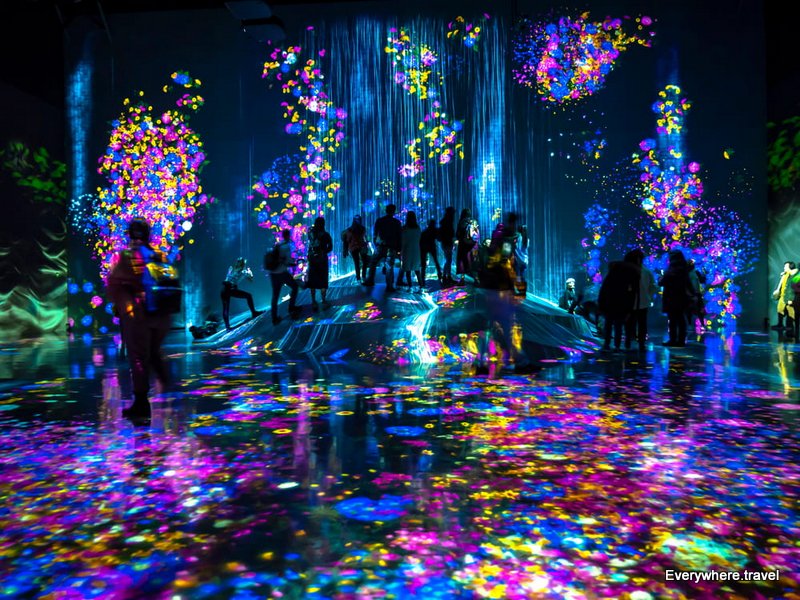
teamLab Borderless is the other Tokyo teamLab experience, now located at Azabudai Hills.
Where Planets takes you along more of a journey through a sequence of physical environments, Borderless is deliberately designed as “a museum without a map.” There are more than 75 artworks, but you’re not supposed to march through them in numerical order.
You wander.
Digital waterfalls tumble down walls. Flowers bloom, scatter and disappear. Animals and other projections can move out of one room and into another. Some artworks respond to people, so the experience isn’t identical from one visit — or even one minute — to the next.
I love the sense of discovery here. You see a glow coming from an opening, follow it and suddenly find another extraordinary room you didn’t know existed.
That makes Borderless particularly fun with children because there isn’t the usual museum pressure to stand in front of each exhibit, read a panel and understand why it’s important. You can let them lead some of the exploration.
There are also interactive areas where children’s drawings can become part of the digital world. It’s the kind of detail that can turn something beautiful for adults into something genuinely exciting for kids.
Some spaces are dark, mirrored and visually intense, so I’d keep that in mind with children who are easily overwhelmed. It can also be disorienting when busy.
Don’t make the mistake of skipping Borderless because you’ve already been to Planets. There is some shared teamLab DNA — darkness, projections, flowers, light and interaction — but the overall experiences are quite different.
If you only have room for one, I’d still choose Planets with most kids because of its physical, barefoot, through-the-water nature. But Borderless is easily good enough to make my number two spot.
Like with Planets, I recommend you book in advance. Ticket prices vary depending on the day and time so being flexible can save money.
Click here to buy tickets now.
3. Spend A Full Day At Tokyo Disneyland
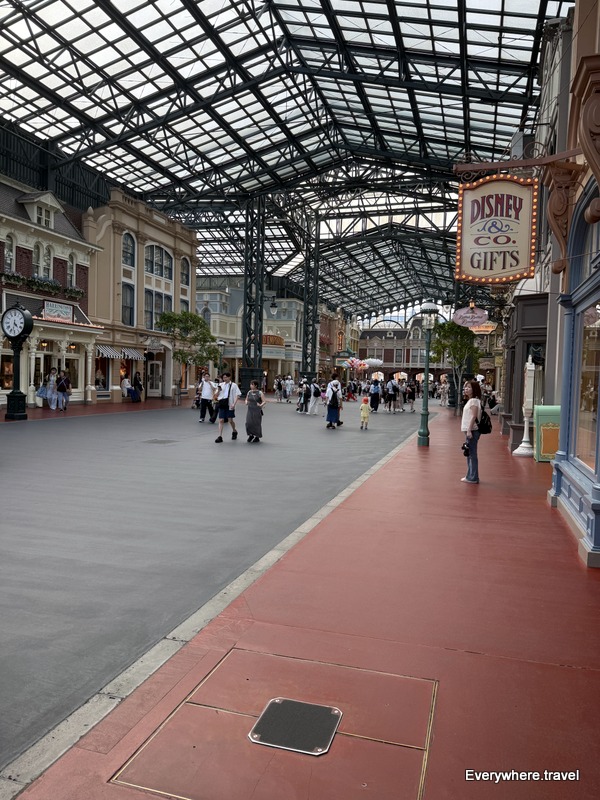
Tokyo Disneyland is the more familiar of Tokyo’s two Disney parks, but that doesn’t mean I’d dismiss it if you’ve already been to Disneyland elsewhere.
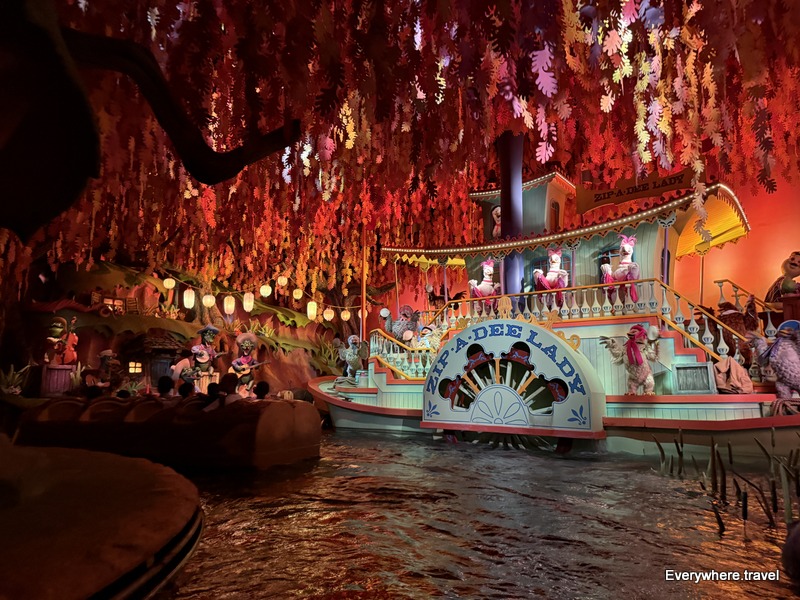
There are seven themed lands with a mix of classic Disney attractions and experiences specific to Tokyo. Fantasyland is particularly strong with younger children, while rides such as Big Thunder Mountain give older kids something more exciting.
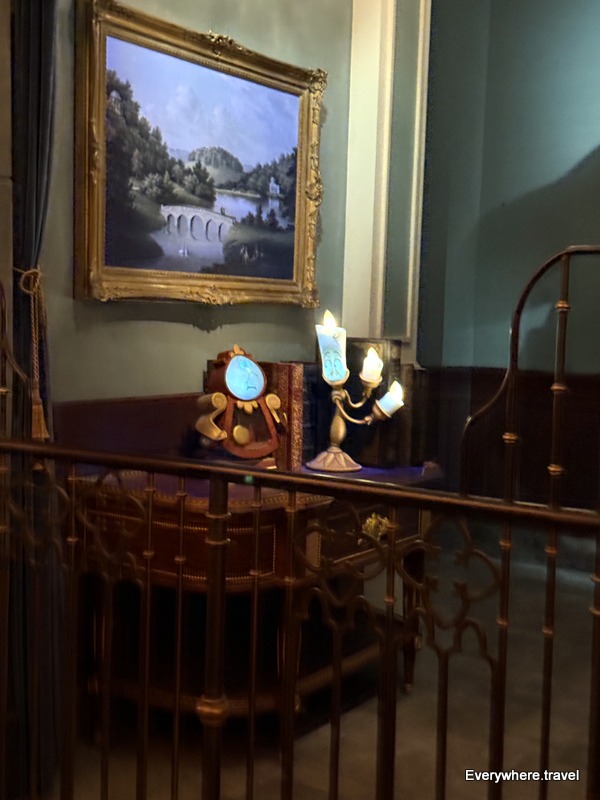
One of the attractions I’d prioritize is Enchanted Tale of Beauty and the Beast. You board enormous magical cups and move through elaborate scenes from the movie, with the vehicles appearing to dance around the rooms. It feels far more technologically sophisticated than a traditional dark ride.
There’s also The Happy Ride with Baymax, Monsters, Inc. Ride & Go Seek!, Pooh’s Hunny Hunt and the gloriously persistent It’s a Small World song that you’ll probably still be hearing internally three days later.
Tokyo Disneyland works with very young children too. The resort specifically identifies attractions that children aged three and under can enjoy, although individual rides have different requirements about whether a child must be able to sit independently.
The important thing is to treat Disneyland as a full day. Don’t plan Disneyland until 3pm followed by Tokyo Skytree, dinner in Shibuya and karaoke. Technically you could leave early. I don’t think you should plan to.
Download the official app before you arrive and familiarize yourself with the current systems for attraction access. I’d have a rough plan of at least what you’ll do first. The app is also handy for seeing what current wait times are at attractions so you can avoid the super long ones.
I’d also look at height restrictions before promising particular rides to younger children. It’s much nicer to discover that information at home than underneath the ride sign with a devastated six-year-old.
If you visit in summer, take plenty of suncreen, hats and umbrellas. Many of the lines are outside in the direct sun and an umbrella makes this much easier to handle. Expect it to be HOT!
4. Visit The One-Of-A-Kind Tokyo DisneySea
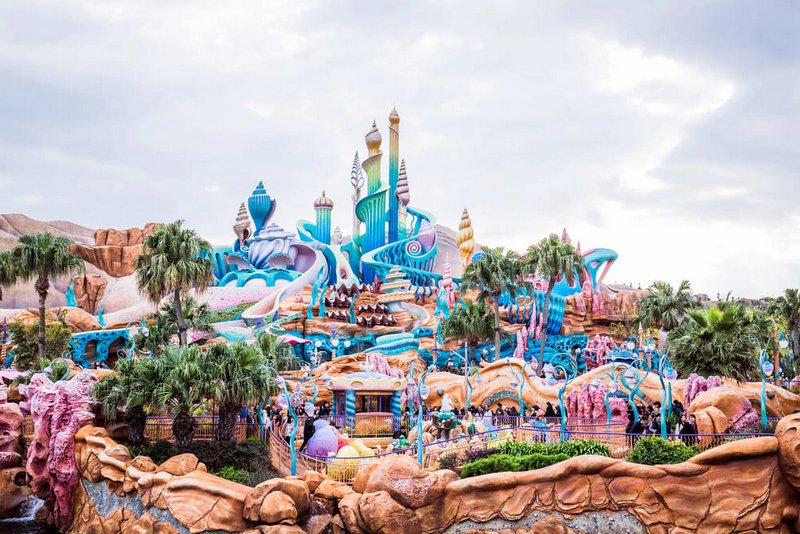
If I could only visit one of Tokyo’s Disney parks, I’d choose DisneySea.
Disneyland is wonderful, but DisneySea is what makes Tokyo Disney Resort genuinely different from the Disney experiences you can have elsewhere.
The park is divided into themed “ports” rather than conventional lands. You move through Mediterranean Harbor, American Waterfront, Port Discovery, Lost River Delta, Arabian Coast, Mermaid Lagoon and Mysterious Island.
Then there’s Fantasy Springs.
This huge addition brings together areas based on Frozen, Tangled and Peter Pan. You can travel through Arendelle on Anna and Elsa’s Frozen Journey, experience Rapunzel’s Lantern Festival and enter Never Land with Peter Pan.
It’s not just the rides I like about DisneySea. The park itself is spectacular. Mysterious Island sits around Mount Prometheus, Mediterranean Harbor feels completely different from a normal theme park entrance, and there’s enough visual detail that simply moving between attractions is part of the experience.
There are rides for younger kids, but I think DisneySea becomes especially compelling with school-aged children and teens. There are bigger thrills including Tower of Terror and Journey to the Center of the Earth alongside gentler experiences.
If your family loves Disney and you have enough time, do one day at Disneyland and another at DisneySea.
If you only have one Disney day, I’d pick DisneySea unless your children are very young or primarily want the classic characters and fairytale Disneyland experience.
There are tickets when you can visit both parks in one day, but I personally don’t recommend this. It’s far too much for one day.
Click here to check out ticket prices now.
5. Hang Out With Capybaras At A Capybara Cafe
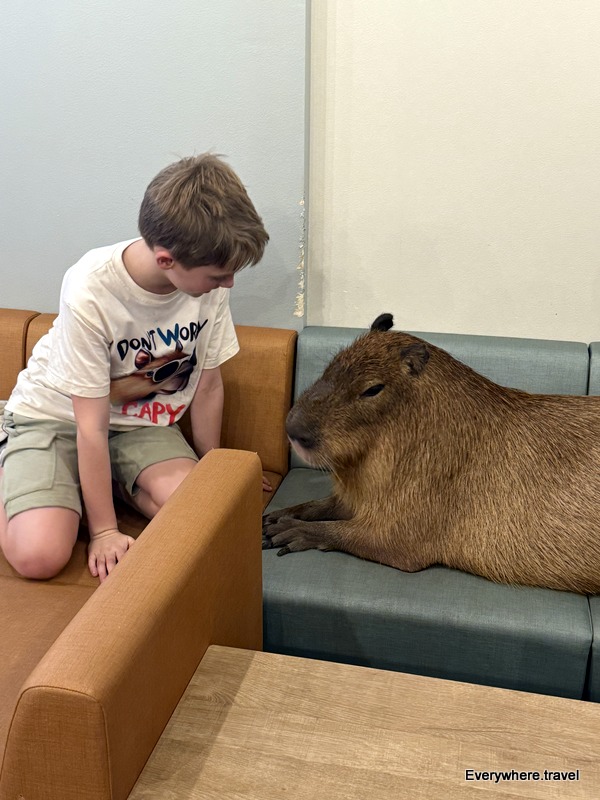

There are plenty of animal cafés in Tokyo, but sitting next to a capybara is certainly one of the more unusual family experiences.
If you’ve never seen one up close, a capybara is basically an enormous, barrel-shaped rodent with an expression that suggests it has absolutely nowhere else it needs to be.
That’s part of their charm.
At a capybara café, the attraction isn’t a show. It’s being close to these surprisingly large animals, watching them wander around, eat and generally appear much calmer about life than the tourists photographing them.
Kids who love animals can find this completely delightful, but I’d put more thought into choosing an animal café than I would an ordinary attraction.
Animal welfare matters. Look for a venue that gives the capybaras space and the ability to move away from customers rather than one designed solely around getting the perfect photo.
I’d also check the current minimum age before booking. Animal cafés can have stricter rules for younger children than normal cafés. If your child is under 6, you may not be able to take them.
This isn’t something you need half a day for. Sessions are usually for 45 – 60 minutes. I think it works best as one memorable activity combined with sightseeing in the same part of Tokyo.
And yes, it’s weird. The places aren’t “cafes” at all. They may include a drink but don’t expect anything fancy or any food. The capybara is the reason for being there.
My youngest son loves capybaras and visiting them at these cafes has been one of his most memorable experiences ever.
Tickets for these cafes usually come online 30 days before and can be popular so I recommend booking in advance.
Click here to book a capybara cafe now.
6. See The Incredible Art Aquarium Museum
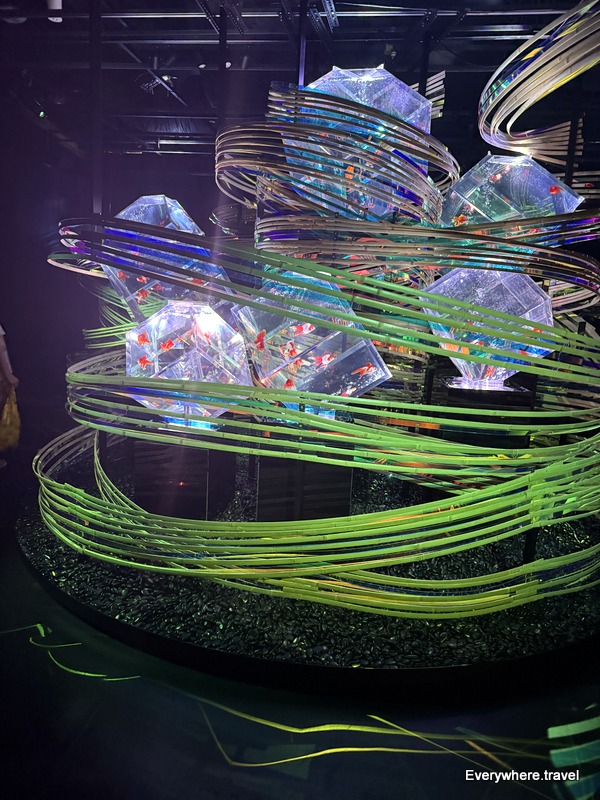
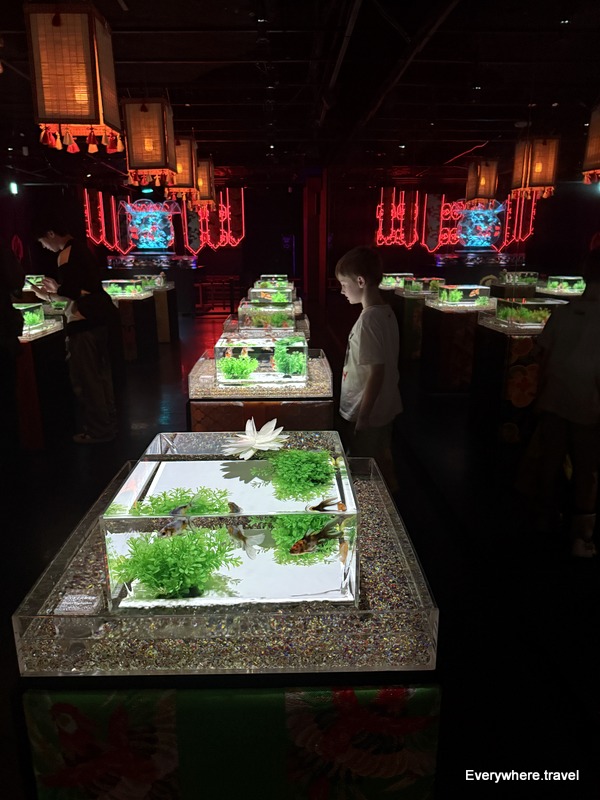
The Art Aquarium Museum in Ginza is another attraction that sounds a little strange until you’re actually looking at it.
The stars are goldfish — thousands of them — but this is nothing like walking around a conventional aquarium looking into rectangular tanks.
The fish are displayed inside elaborate sculptural aquariums illuminated with changing colors and surrounded by light, sound and Japanese-inspired decorative elements. Some displays resemble lanterns, bowls or giant glowing columns.
The movement of the fish is effectively part of the artwork.
I think this is particularly good for families because it’s immediately visually interesting. A child doesn’t need to understand the artistic concept or read an explanation to enjoy a room filled with glowing aquariums and hundreds of brightly colored fish.
It also offers something distinctly different from Tokyo’s digital attractions. teamLab overwhelms you with enormous projected worlds; Art Aquarium takes something very simple — a goldfish — and turns the presentation of it into a spectacle.
The museum is inside Ginza Mitsukoshi. It makes an excellent wet-weather or hot-summer option. It doesn’t take long to visit.
7. Learn To Be A Ninja
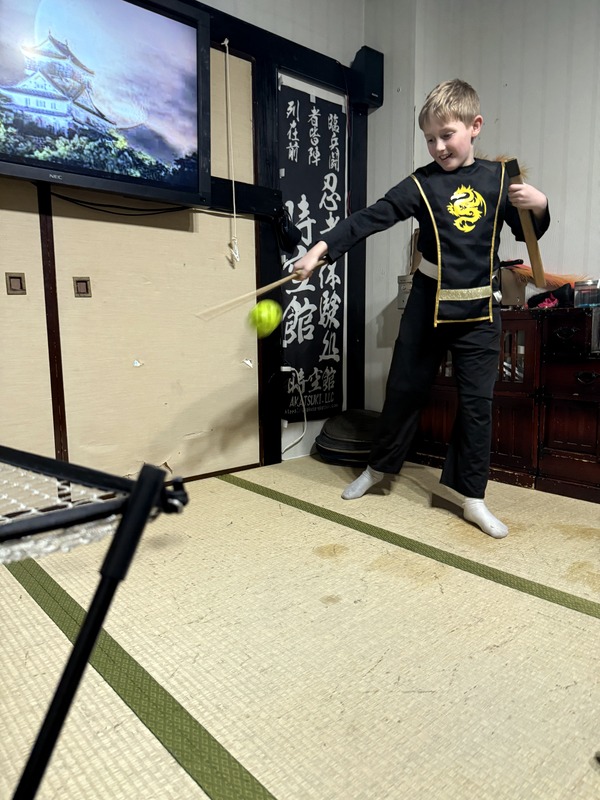
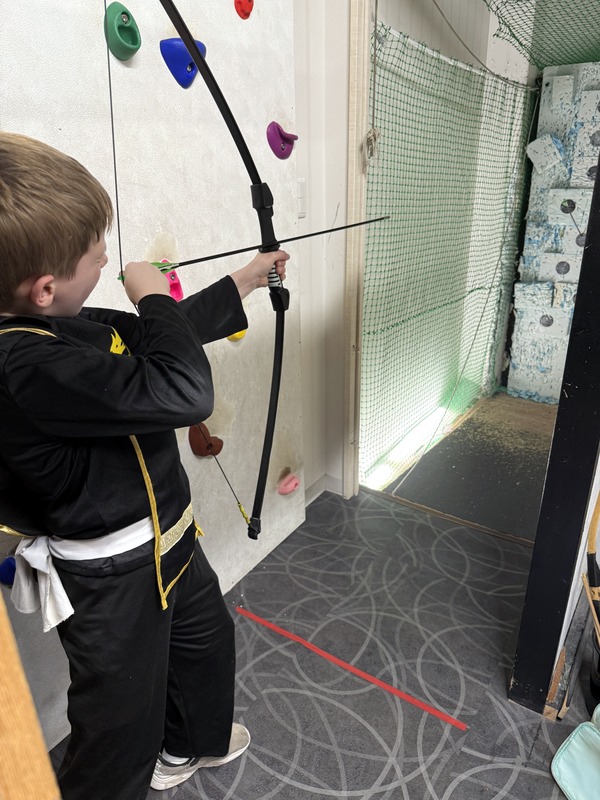
This is exactly the sort of Japanese experience I’d choose with kids over another conventional museum.
There are various ninja experiences in Tokyo, so what you actually do depends on which one you book. Look for a genuinely interactive session rather than somewhere that simply provides a costume and takes photos.
A good experience involves dressing as a ninja, learning about their techniques and history, practicing movements and trying activities such as throwing shuriken.
The important part for me is that kids are doing something active and enjoyable.
You can tell a child about the role of ninjas in Japanese history and possibly keep their attention. Or you can put them in a ninja outfit and teach them how to throw something at a target.
I know which option works for our family. My 9 year old son loved this.
Click here to book a ninja experience now.
8. See The Animals At Ueno Zoo
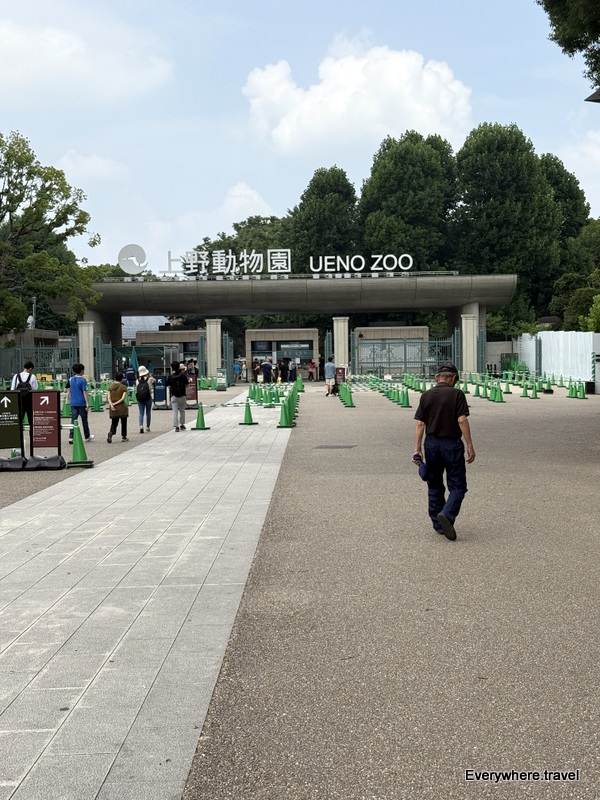
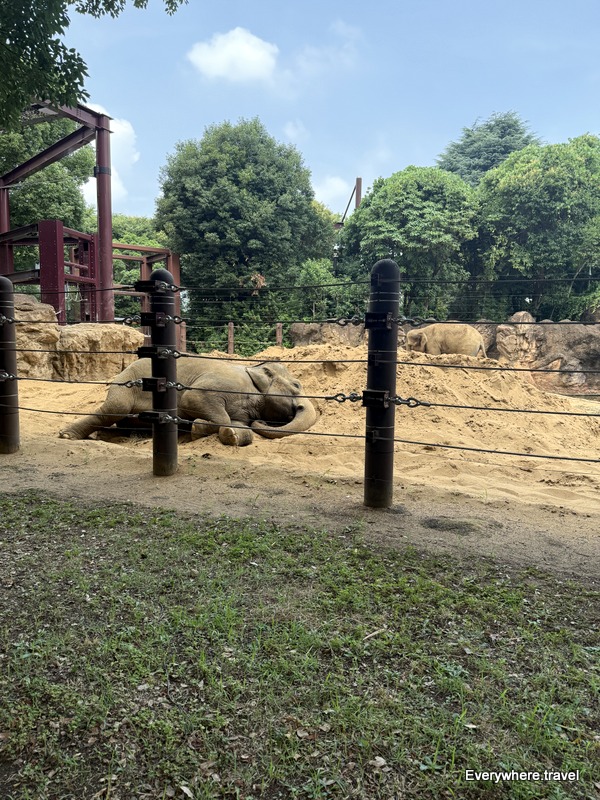
Ueno Zoo is a good option when your children need animals, trees and some outdoor space after days of neon lights and indoor attractions.
The zoo is inside Ueno Park, which is useful because this is one of Tokyo’s easiest areas to build into a broader family day. There are museums, green space, seasonal cherry blossoms and plenty happening around Ueno.
The zoo has animals from Japan and around the world, so there’s enough to occupy animal-loving children for several hours.
There is, however, an important change if you’ve been researching Tokyo using older articles.
Don’t promise your children giant pandas.
The zoo’s last giant pandas, twins Xiao Xiao and Lei Lei, left Japan for China in January 2026. Ueno Zoo currently has no giant pandas. That makes a lot of older Tokyo family guides and photos out of date.
I’d still visit if your kids love zoos and you’re in Tokyo longer than a few days. We went in summer and it was very hot. It’s probably better to skip this attraction at this time of year.
9. Explore The Future At Miraikan
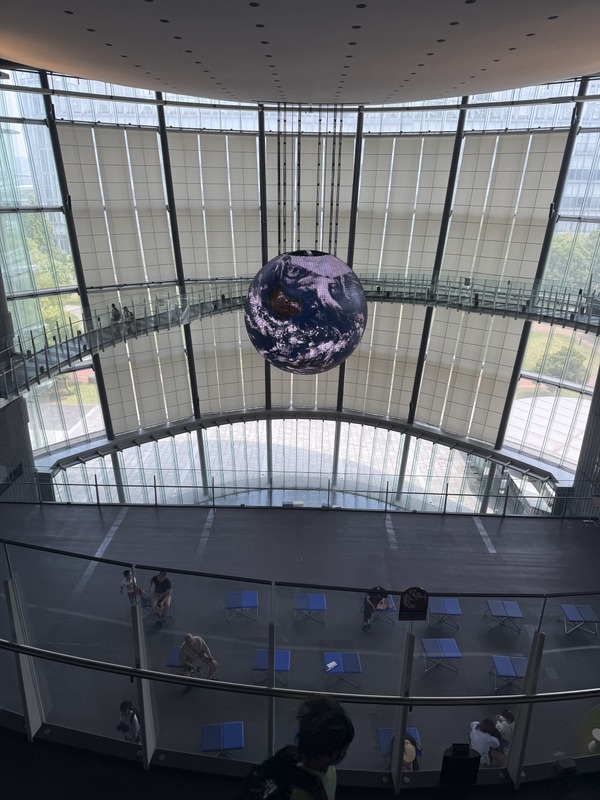
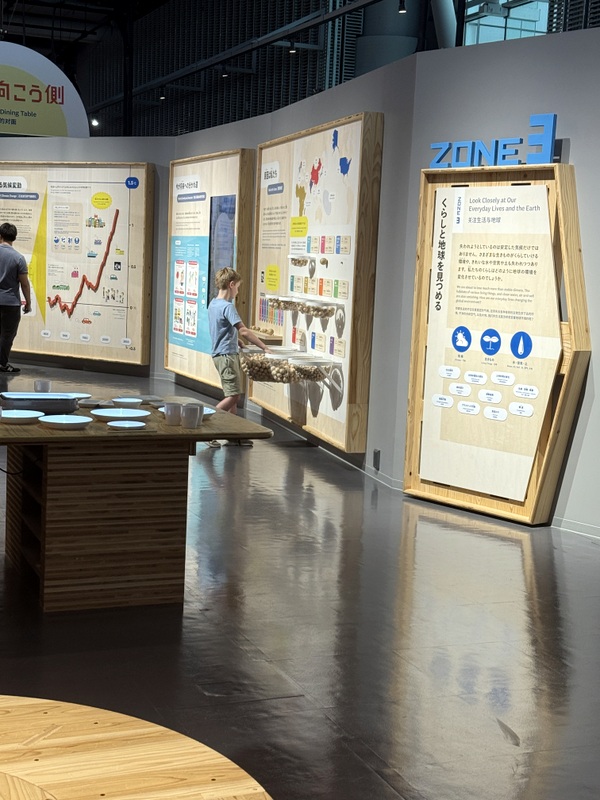
Miraikan — the National Museum of Emerging Science and Innovation — is one of my favorite choices for science-loving school-aged children.
This isn’t a museum about what people discovered 200 years ago. The emphasis is on the world we’re living in and the one we’re heading toward.
Exhibitions explore subjects including space, Earth, robots, life sciences, artificial intelligence and how technology interacts with human society. It’s the kind of place where a child who likes asking “but how does that work?” can disappear down a rabbit hole.
One of the things I like about adding Miraikan to a Tokyo itinerary is the contrast. You can spend one day in a fantasy world at DisneySea and another thinking about robotics and the future, and both feel completely appropriate to Tokyo.
There are interactive elements rather than endless rooms of objects behind glass, which makes it easier with children.
However, there is a major date warning here. Miraikan has announced that it will close for large-scale renovation from October 1, 2026 through April 22, 2027. If you’re visiting during that period, take it straight off your itinerary.
When it is open, I’d combine it with other Odaiba attractions. This is one part of Tokyo where families can stack several good activities without spending half the day on trains.
10. See How Enormous Tokyo Is From Tokyo Skytree
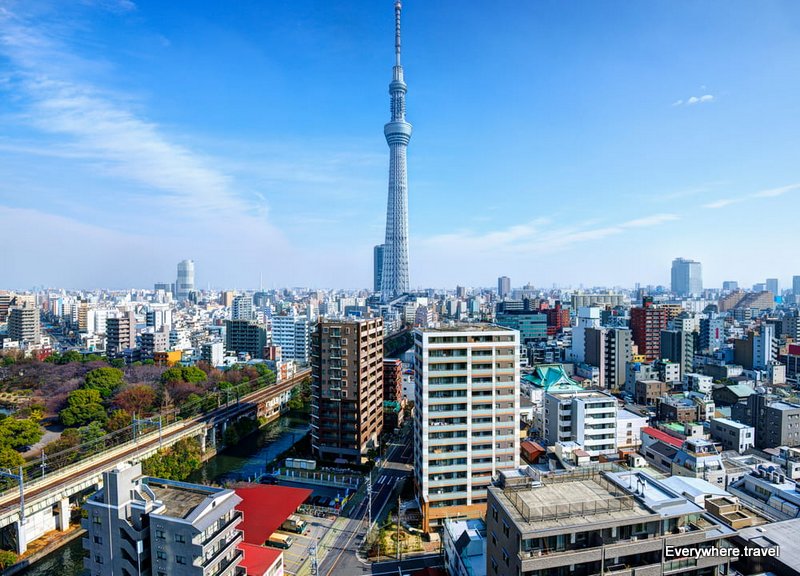
You know Tokyo is big.
Then you look down on it from Tokyo Skytree and realize you didn’t really understand what “big” meant.
Skytree is 634 meters tall, making it the tallest structure in Japan. The main Tembo Deck is at 350 meters, while the higher Tembo Galleria reaches 450 meters.
The view is the obvious attraction. Tokyo stretches outward in seemingly every direction, and spotting neighborhoods and landmarks you’ve already visited gives kids something to look for rather than simply staring through a window.
On exceptionally clear days, you may see Mount Fuji. I wouldn’t promise it to the children, though. Tokyo haze and clouds don’t care what your itinerary says.
I like the idea of visiting in the late afternoon so you can see the city in daylight and then watch the lights begin to appear. Tokyo after dark looks completely different.
Skytree isn’t just an observation tower either. It’s part of Tokyo Skytree Town with Tokyo Solamachi’s huge collection of shops and restaurants below, so there are easy options for food and browsing before or afterwards, including fun shops like a Pokemon Center and Kirby Cafe.
Click here to book tickets now.
11. Make Your Own Cup Noodles
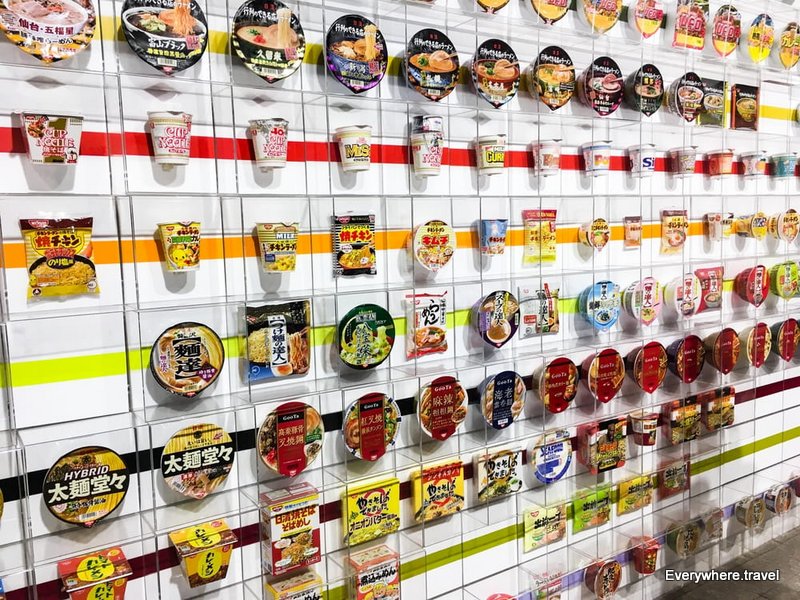
Yes, I’m sending you out of Tokyo for this one, but it’s only about an hour away.
The Cup Noodles Museum is in Yokohama, but I think it’s standout enough to earn its place in a Tokyo family guide.
The museum tells the story of instant noodles and their inventor, Momofuku Ando, but the reason most kids are going to remember it is My CUPNOODLES Factory.
You design your own cup, choose your soup and select toppings before watching your personalized noodles go through the production process. At the end, you take your creation away with you.
There’s also the Chicken Ramen Factory, where you actually make ramen by hand from flour, and CUPNOODLES Park, a play area that imagines children as noodles moving through the manufacturing process.
This is exactly what I want from a museum with kids. There’s a story and plenty to learn, but nobody has to pretend that reading 40 information panels is the exciting part.
The hands-on activities can have separate participation requirements and availability, so check and reserve the experiences you particularly want rather than assuming everything is automatically included with entry.
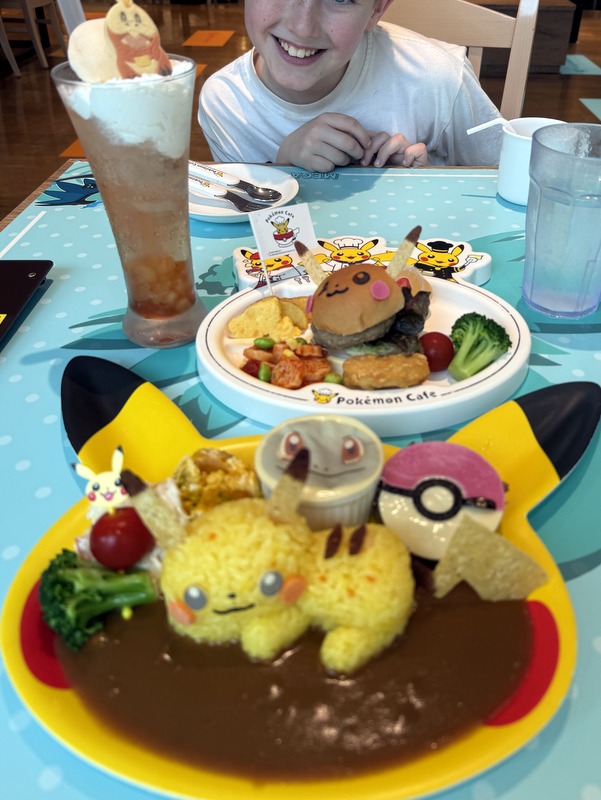
12. Have Lunch At The Pokémon Cafe
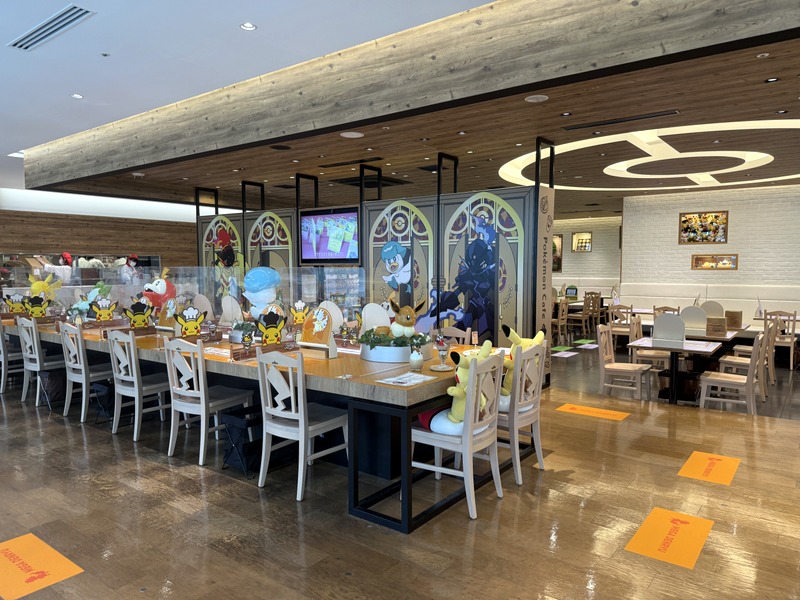
If you’ve got a Pokémon fan, you probably don’t need me to explain why eating Pikachu-shaped food in a Pokémon-themed restaurant is going to be popular.
The Pokémon Cafe turns lunch into an attraction. The menu, drinks and desserts are character-themed, and the restaurant itself is designed to make Pokémon fans very happy before the food even arrives.
This isn’t somewhere I’d judge primarily on whether it serves the finest meal you’ll eat in Japan. You’re paying for the entire experience.
The difficult part is getting in.
The café is extremely popular and requires advance reservations (here). This is one of those Tokyo activities where being spontaneous can translate into standing outside explaining to a disappointed child why everyone except your family is eating with Pikachu.
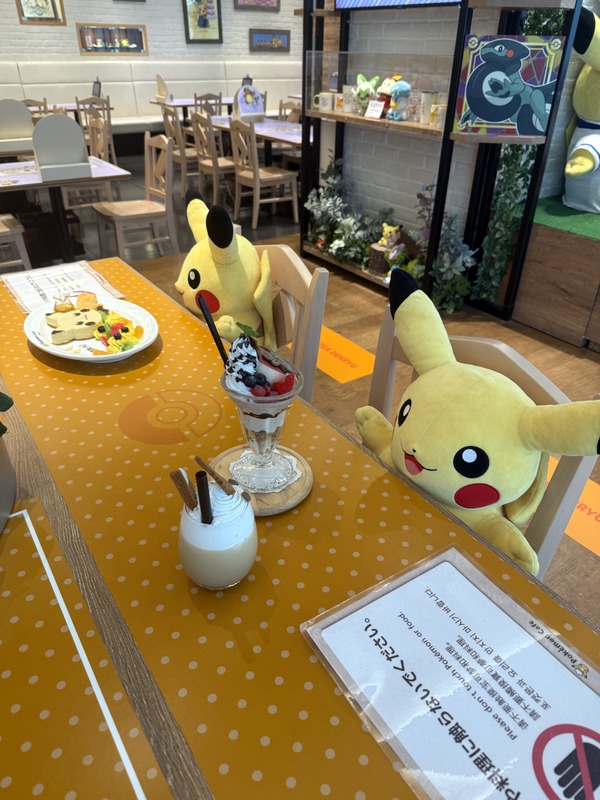
If it’s important to your kids, work out the reservation process well before your trip. And if you aren’t able to get a reservation, I recommend trying again the night before. I finally got a reservation the day before we wanted to go.
There is also a Pokémon Center next to the Tokyo café at Nihombashi, so Pokémon fans can continue the experience afterwards.
13. Visit A Pokémon Center
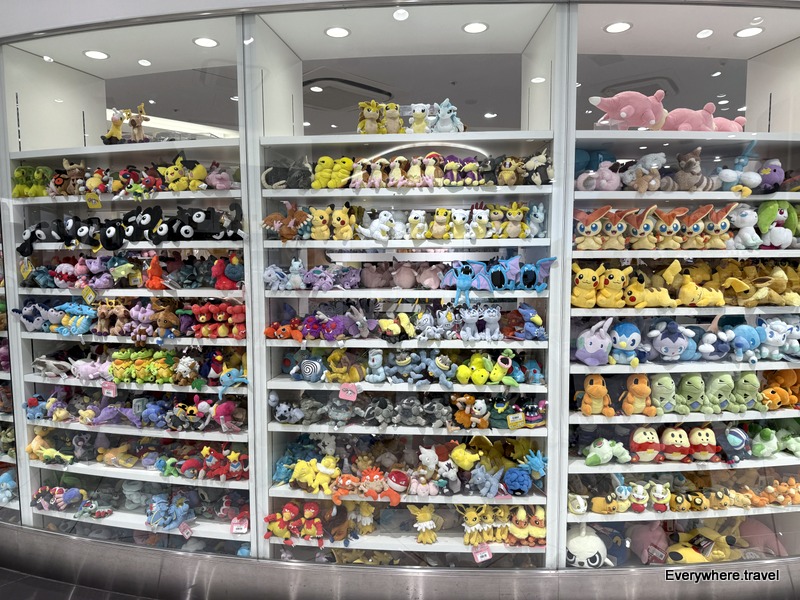
You don’t need to eat Pikachu to get your Pokémon fix.
Tokyo has multiple Pokémon Centers, and I’d make time for at least one if your kids are fans.
These aren’t little souvenir shops with one shelf of Pikachu toys. Expect walls of plush characters, trading cards, stationery, clothes, household items, figures and merchandise you didn’t know existed until your child explains why they desperately need it.
Pokémon Center Shibuya is a particularly convenient choice because it’s inside Shibuya PARCO and has a life-size Mewtwo suspended in a tank at its entrance.
More importantly for planning, Nintendo Tokyo is in the same building.
That means you can combine Pokémon, Nintendo and Shibuya without wasting half a day traveling between three different areas.
14. Go Gaming Crazy At Nintendo Tokyo
Nintendo Tokyo is another shop that can easily become an attraction when you have the right children with you.
Mario, Luigi, Zelda, Animal Crossing, Splatoon and other Nintendo worlds are represented across a huge range of merchandise, from toys and clothing to collectibles and things you definitely weren’t planning to buy when you walked in.
It’s located in Shibuya PARCO alongside Pokémon Center Shibuya, which makes this one of the easiest pairings in the entire article.
Do both.
Then go and cross Shibuya Scramble and explore the surrounding neighborhood.
I particularly like this for older kids and teens. Not every family attraction needs to be designed for six-year-olds, and Shibuya’s gaming, fashion and pop-culture scene can be far more exciting to a teenager than another playground or children’s museum..
15. Sing Karaoke Together
Karaoke is one of those activities that I think some families dismiss because they’re imagining a bar full of strangers watching them sing.
That’s not the standard Japanese experience.
You hire a private karaoke room for your group. You choose the songs, sing as badly as you like and don’t have to perform in front of anyone except the people who already know how embarrassing you are.
It’s brilliant with kids.
Major karaoke chains have enormous song catalogs, including English-language music, and you can usually order drinks and food to your room. Depending on the venue, there may be different room types and packages.
I particularly like karaoke as an evening activity. Tokyo doesn’t suddenly stop being interesting when younger attractions close, but plenty of nightlife obviously isn’t suitable for children. A private karaoke room lets the family keep going without dragging kids into an adult environment.
It’s also perfect when it’s pouring with rain or everyone needs a break from walking.
16. Overdose On Cuteness At Sanrio Characters Garden Cafe
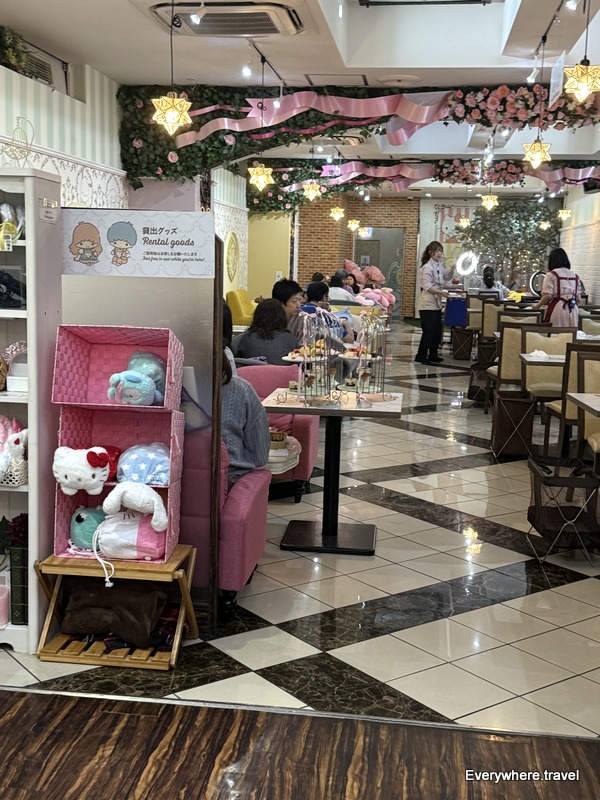
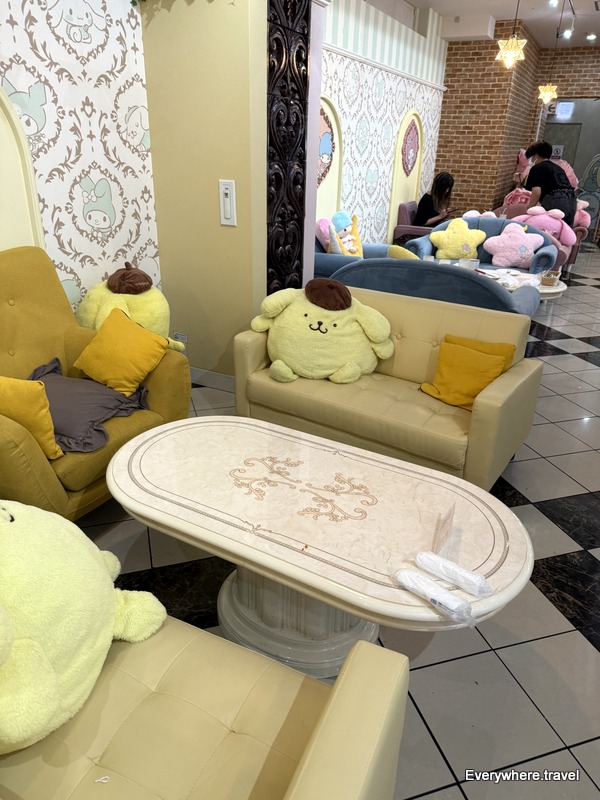
The Sanrio Characters Garden Cafe in Ueno is for families who believe a normal lunch would be improved by the presence of Hello Kitty, Cinnamoroll, My Melody and friends.
And if that describes your children, they’re probably correct.
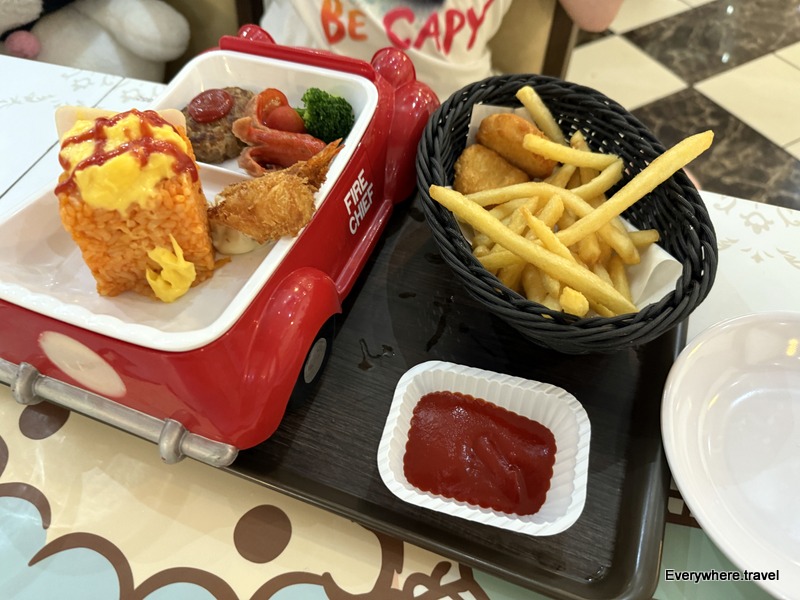
Expect character-inspired food, drinks, desserts and a lot of cute decor. This is another meal where the appearance of the food is a significant part of what you’re paying for.
I wouldn’t travel across the entire city solely for it unless you’ve got a serious Sanrio fan, but its Ueno location makes it easy to pair with Ueno Zoo, Ueno Park or the museums nearby.
For a truly Sanrio-obsessed child, though, don’t stop here. Sanrio Puroland, which I’ll get to below, is the much bigger experience.
17. Eat At A Sushi Train Restaurant
Not every memorable family activity in Tokyo needs an admission ticket.
Go and eat sushi from a conveyor belt.
Kaiten sushi restaurants are ideal with children because the meal itself is interactive. Sushi moves around the restaurant on a belt or arrives after you order it from a touchscreen, depending on the chain and branch.
Kids can see what they’re choosing rather than trying to decipher a long menu, and small plates make it easy to experiment without committing to an enormous meal.
And no, everyone does not need to eat raw fish.
Larger chains usually offer cooked seafood, egg, noodles and other dishes alongside conventional sushi. Even a cautious eater can normally find something manageable.
18. Play At LEGOLAND Discovery Center Tokyo
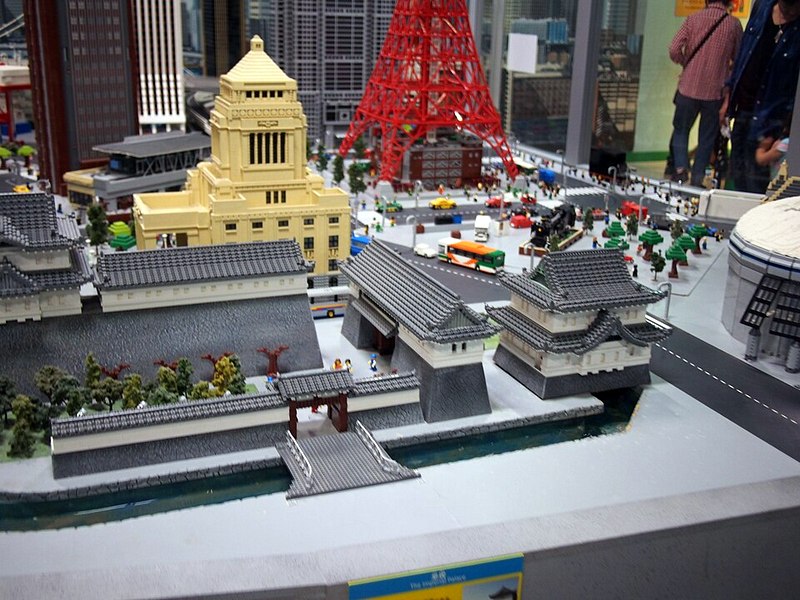
LEGOLAND Discovery Center Tokyo is in Odaiba and is aimed primarily at younger children.
This isn’t an outdoor LEGOLAND theme park. It’s an indoor attraction with LEGO building areas, rides, interactive activities and models. Don’t arrive expecting a full-scale theme park.
For elementary-aged LEGO fans, though, it can be excellent. Kids get the chance to build rather than simply look, and indoor play is especially welcome when Tokyo is oppressively hot or wet.
There are LEGO recreations of Tokyo landmarks, opportunities to construct and test creations and various themed areas and attractions.
Click here for latest ticket prices.
19. Step Into A Studio Ghibli World At Ghibli Museum
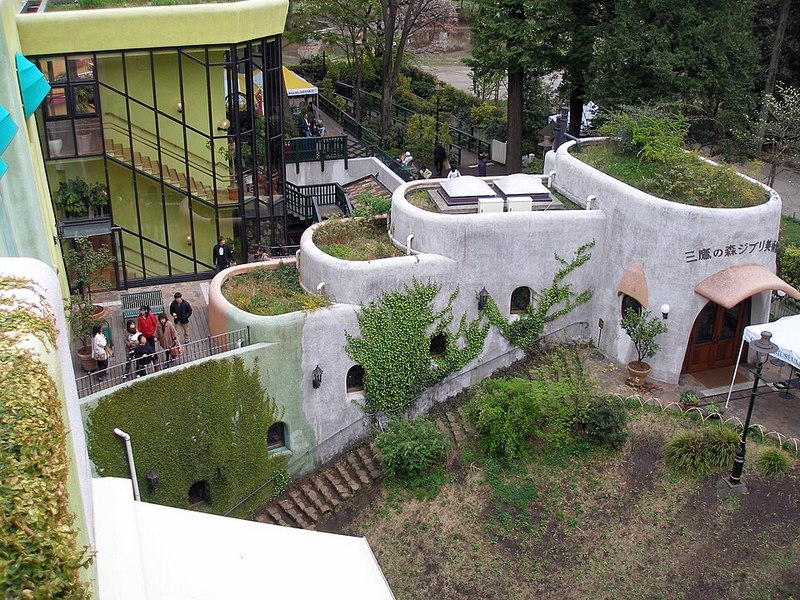
Ghibli Museum is the attraction I’d fight hardest to get tickets for if my children loved Studio Ghibli films.
The museum is in Mitaka, west of central Tokyo, and the building feels as though it belongs in a Ghibli movie.
This isn’t a conventional movie museum with costumes lined up behind glass. There are winding staircases, unusual little spaces, exhibits showing how animation works and plenty of details that reward wandering.
There’s a wonderfully furry Catbus for younger children to climb into, a rooftop garden with the Robot Soldier from Castle in the Sky and a small theater showing original short films that you can’t simply watch at home.
Tickets are the difficult part.
They are advance reservation only. There are no tickets sold at the museum entrance, and overseas tickets normally go on sale at 10am Japan time on the 10th of each month for the following month.
20. Let Your Kids Run A City At KidZania Tokyo
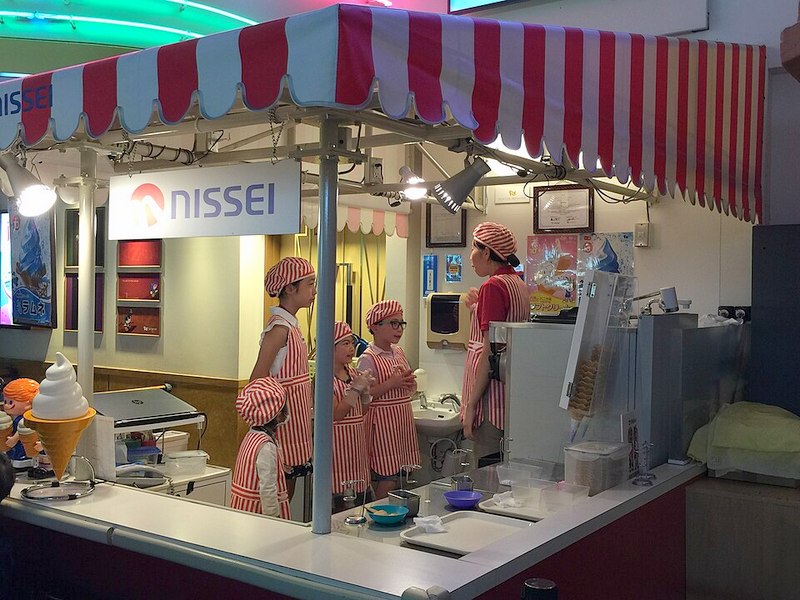
KidZania is such a clever concept that I wish I’d had it when I was a kid.
It’s an indoor child-sized city where kids try real-world jobs.
They can become firefighters, pilots, police officers, doctors, delivery workers, chefs and more, dressing for the role and carrying out activities rather than merely hearing someone describe the profession.
There are around 100 activities across roughly 60 establishments at KidZania Tokyo, so you won’t do everything in one visit.
Children also earn KidZos — KidZania’s own currency — through some of their jobs and can use them within the experience. That adds another layer to the miniature-world concept.
The biggest concern for international visitors is obviously language. KidZania Tokyo has English options, including English activities and designated English programs, although not every activity will necessarily operate in English during your visit.
I’d look at the current English schedule before choosing your day.
My kids absolutely love KidZania and have visited many of them around the world. If you have never been to one, I highly recommend it.
Click here to buy tickets now.
21. Actually Play With The Exhibits At Tokyo Toy Museum
Tokyo Toy Museum is one of the attractions I’d add specifically for families with younger kids.
It’s inside a former elementary school, which already gives it a very different atmosphere from Tokyo’s huge commercial attractions.
There are around 10,000 toys from Japan and around the world, but the important word here isn’t “toys.” It’s “play.”
Children are encouraged to interact.
There are beautiful wooden toys, traditional Japanese toys, games, hands-on spaces and workshops. Babies and toddlers also have their own play area rather than being expected to tag along behind older siblings.
22. Join The Crowds At Shibuya Scramble Crossing
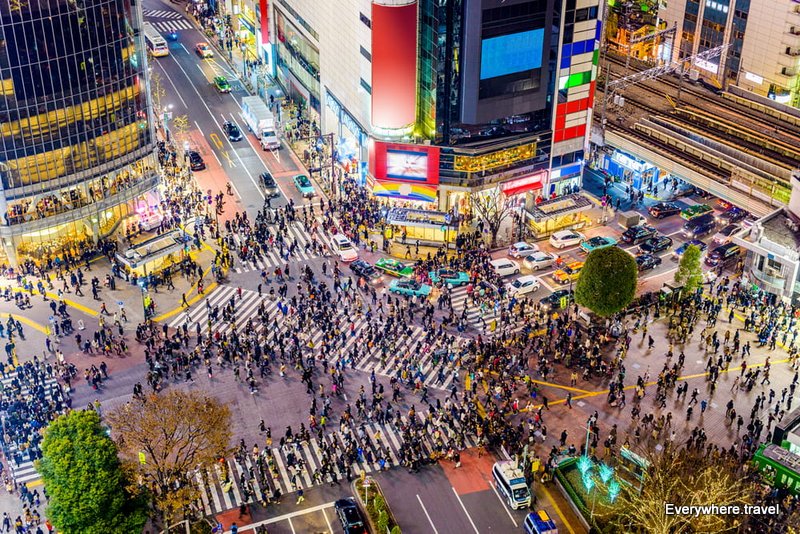
Shibuya Scramble Crossing is an intersection.
And somehow it’s one of the most famous sights in Tokyo.
When the lights change, pedestrians pour across from multiple directions at once, filling the enormous junction before the traffic takes over again.
You should absolutely cross it.
Then, find somewhere elevated to watch it happen from above, because the organized chaos is easier to appreciate when you’re not part of it.
Kids and teens who’ve seen Tokyo in movies, games and social media may get more out of Shibuya than adults expect. This is the Tokyo they recognize: giant screens, crowds, lights and energy everywhere.
Combine it with Nintendo Tokyo and Pokémon Center Shibuya at PARCO, then wander through Shibuya itself.
23. Explore Takeshita Street And Harajuku
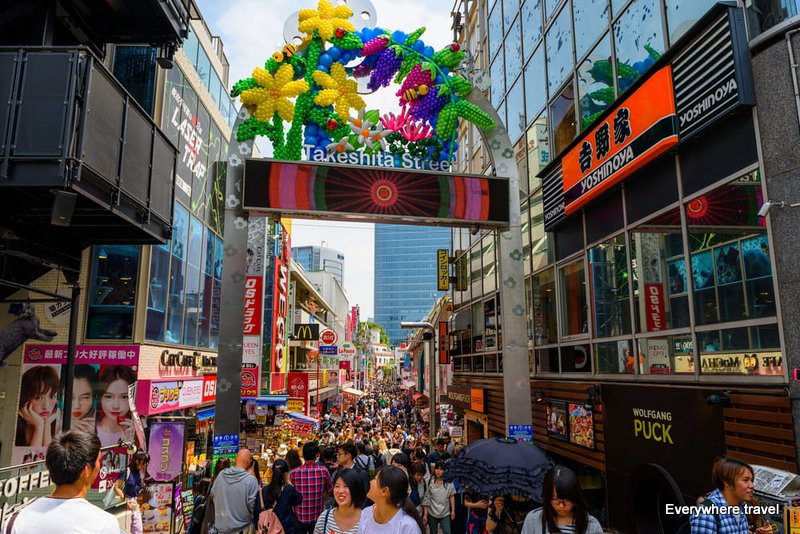
Harajuku is where I’d head with kids who are excited by the colorful, fashionable, pop-culture side of Tokyo.
Takeshita Street is the famous center of it. It’s narrow, busy and lined with fashion stores, character goods, sweets, snacks and things that seem specifically engineered to make children ask you for money.
Give yourself permission to wander.
This isn’t a neighborhood where I’d make a checklist of eight important sights. Browse the stores, buy something ridiculous to eat and see what catches everyone’s attention.
Crepes are a Takeshita Street classic, but half the fun is seeing what other sweets and snacks are competing for attention.
Tweens and teens may particularly enjoy Harajuku because it feels less like an attraction selected for them by their parents and more like somewhere they can explore their own interests.
It gets extremely crowded. If you have little children, I’d avoid the busiest weekend periods where possible.
And if everybody reaches sensory overload, walk toward Meiji Shrine. Going from Takeshita Street to the forested approach to the shrine feels almost absurdly peaceful by comparison.
24. Celebrate Everything Poop At Unko Museum Tokyo
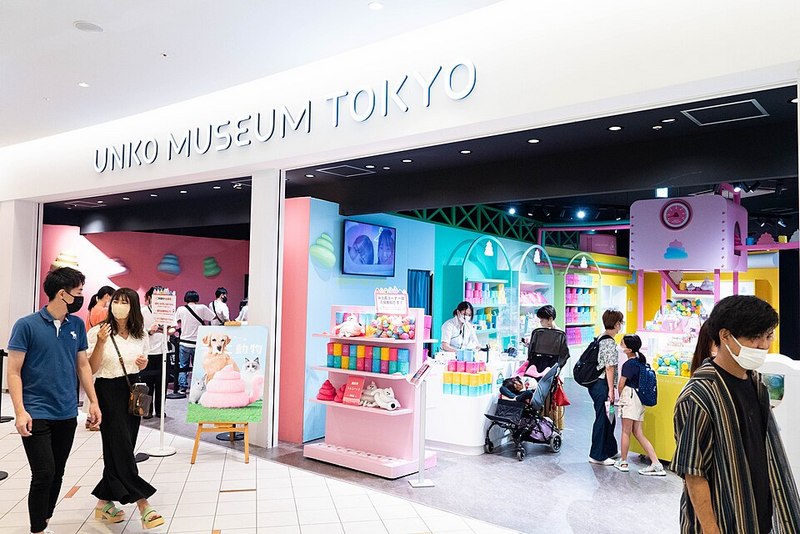
Unko Museum Tokyo in Odaiba takes the Japanese word for poop — unko — and builds an entire interactive attraction around it.
You can shout “UNKO!” at the top of your voice. There are poop-themed games, brightly colored installations, ridiculous photo opportunities, dancing and a giant poop volcano.
There’s even a neon area celebrating the word for poop in languages from around the world.
Is it an important insight into Japanese history?
No.
Will plenty of kids find it more exciting than an important insight into Japanese history?
Absolutely.
The attraction works because it commits completely to the joke. It isn’t a museum with one amusing poop exhibit. The whole thing is proudly, enthusiastically absurd.
I’d put this high on the list for elementary-aged kids with exactly the sense of humor you’d expect elementary-aged kids to have.
It’s also indoors and in Odaiba, so it’s easy to combine with several of the attractions above.
25. Enter Hello Kitty’s World At Sanrio Puroland
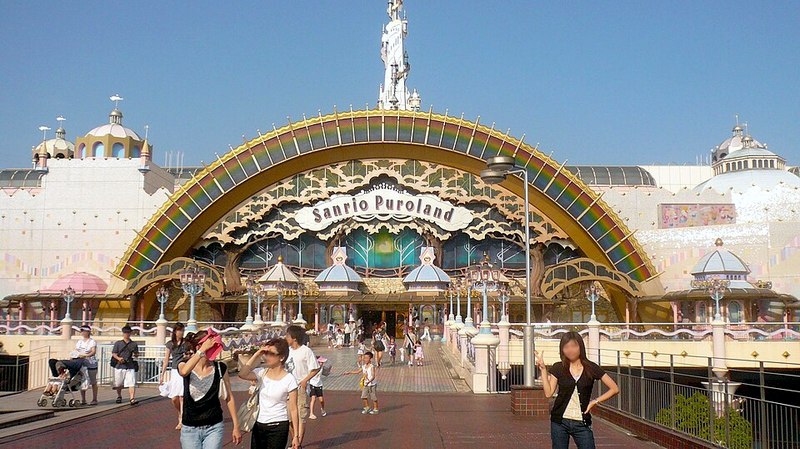
This is not a character café.
It’s an entire indoor Sanrio theme park.
Hello Kitty, Cinnamoroll, My Melody, Kuromi and other Sanrio characters appear throughout rides, shows, character encounters, themed spaces, food and an impressive quantity of merchandise.
There are parades and live entertainment as well as attractions such as Lady Kitty’s House. The whole place is colorful, cute and completely unapologetic about it.
The big consideration is location. Puroland is in Tama City rather than central Tokyo, so this is not something I’d casually squeeze between Shibuya and Ueno.
I’d only make the journey if somebody in the family actually cares about Sanrio.
But if you’ve got a child who sleeps with a Cinnamoroll plush toy and has been counting down to this trip for six months, forget what I just said about the journey.
Go.
Comparison Of The Family Friendly Things To Do In Tokyo
| # | Attraction | Key Highlight | Best For | Location / Neighborhood | Booking link |
| 1 | teamLab Planets | Barefoot water walk & 2025 expansion areas | All Ages (Immersive & Tactile) | Toyosu | Book here |
| 2 | teamLab Borderless | Mapless digital art maze & interactive drawing | All Ages (Exploratory) | Azabudai Hills | Book here |
| 3 | Tokyo Disneyland | Classic fairytale magic, Beauty & the Beast | All Ages | Maihama (Chiba) | Book here |
| 4 | Tokyo DisneySea | Fantasy Springs & nautical exploration | All Ages | Maihama (Chiba) | Book here |
| 5 | Capybara Cafe | Chill, close-up encounter with capybaras | Animal Lovers (Check Minimum Age) | Various | Book here |
| 6 | Art Aquarium Museum | Sculptural goldfish tanks with art lighting | All Ages (Visual & Unusual) | Ginza (Mitsukoshi) | Book here |
| 7 | Ninja Experience | Hands-on throwing star practice & outfits | School-Age & Active Kids | Asakusa | Book here |
| 8 | Ueno Zoo | Historic zoo inside Ueno Park (No pandas) | Animal Lovers & Toddlers | Ueno Park | |
| 9 | Miraikan | Robotics, space, AI (Closed Oct ’26–Apr ’27) | Science Fans & Tweens | Odaiba | |
| 10 | Tokyo Skytree | 634m view over Tokyo & Solamachi Mall | All Ages (Panoramas) | Oshiage / Asakusa | Book here |
| 11 | Cup Noodles Museum Yokohama | Design your own custom Cup Noodles | Elementary & Tweens | Yokohama (Minato Mirai) | Book here |
| 12 | Pokémon Cafe | Character-themed food & Pikachu encounters | Pokémon Fans (Advance Book) | Nihombashi | Book here |
| 13 | Pokémon Center | Massive plush walls, cards & life-size Mewtwo | Kids, Tweens & Gamers | Shibuya PARCO / Various | |
| 14 | Nintendo Tokyo | Official Mario, Zelda, & Splatoon merchandise | Gamers & Tweens/Teens | Shibuya PARCO | |
| 15 | Family Karaoke | Private family room with food & English songs | All Ages (Rainy Day/Evening) | Shibuya / Shinjuku / Various | |
| 16 | Sanrio Garden Cafe | Hello Kitty & Cinnamoroll themed food | Young Sanrio Fans | Ueno | |
| 17 | Kaiten Sushi (Train) | Interactive touchscreen ordering & conveyor belt | All Ages (Fun Family Meal) | Citywide Chains (Sushiro) | |
| 18 | LEGOLAND Discovery | Indoor LEGO city models, rides & brick building | Elementary Kids (Ages 3–10) | Odaiba (Decks) | Book here |
| 19 | Ghibli Museum | Storybook animation building & Catbus | Ghibli Fans (Strict Tickets) | Mitaka | |
| 20 | KidZania Tokyo | Role-play real-world jobs in a kid-sized city | Ages 4-14 | Toyosu (LaLaport) | Book here |
| 21 | Tokyo Toy Museum | 10,000 hands-on wooden & traditional toys | Babies, Toddlers & Young Kids | Yotsuya (Former School) | |
| 22 | Shibuya Scramble | Iconic multi-directional pedestrian crossing | Tweens, Teens & All Ages | Shibuya | |
| 23 | Takeshita Street | Colorful fashion, character shops & crepes | Tweens, Teens & Pop Culture | Harajuku | |
| 24 | Unko Museum | Poop-themed games, volcano & photo spots | Elementary Kids (Absurd Humor) | Odaiba (DiverCity) | Book here |
| 25 | Sanrio Puroland | Full indoor theme park devoted to Hello Kitty | Young Kids & Sanrio Superfans | Tama City | Book here |
Map Of Tokyo Family Attractions
Click the map below to open it in Google so you can quickly understand where all the attractions in this list are located around the city.
Where To Stay In Tokyo With Kids
Choosing where to stay in Tokyo is especially important when you’re traveling with kids.
Tokyo is enormous, and while the public transportation is fantastic, I wouldn’t save a little money on a hotel only to spend far more of every day traveling to and from the main sights. I recommend staying somewhere reasonably central and, most importantly, close to a useful train or subway station.
Room size is another consideration. Tokyo hotel rooms can be tiny, and finding a room that comfortably sleeps four people can be surprisingly difficult. I haven’t included hotels where a family of four would need to book two separate rooms.
These are my picks at three genuinely different price levels. Note that no accommodation in Tokyo is super affordable.
BEST – MIMARU SUITES Tokyo Nihombashi Review

For a family stay, MIMARU SUITES Tokyo Nihombashi is a fantastic choice.
It’s a two-minute walk from Ningyocho Station and about seven minutes from Suitengumae Station. From Ningyocho, you have straightforward connections toward areas including Ginza, Tsukiji and Ueno.
The rooms are the real reason I’d choose it.
The standard Two-Bedroom Suite is 57 square meters with four single beds and can accommodate four adults plus two young children. It has two toilets, two washbasins, a bathroom, an additional shower room and an in-room washer-dryer.
The Two-Bedroom Family Suite is even better for bigger families. At 57–59 square meters, it has two single beds, loft beds and futons and can accommodate up to six adults plus two young children.
Every suite has a kitchen and dining area with a refrigerator, microwave and cooking facilities.
That might not sound exciting when you’re planning a vacation, but after several days traveling with children, being able to make breakfast while someone else is still showering, wash everyone’s clothes and put cold drinks in a full-size refrigerator starts to feel extremely luxurious.
I also really like having separate bedrooms. After the kids go to bed, the adults don’t have to sit silently in the dark scrolling on their phones.
The trade-off is that this isn’t a conventional resort-style hotel. You’re choosing apartment space and practical facilities rather than a swimming pool, multiple restaurants and extensive hotel entertainment.
Best for: Families of four to six who value space, separate bedrooms, a kitchen and laundry facilities.
Click here to see the latest prices and more details.
MIDRANGE – MONday Apart Premium Akihabara Review

MONday Apart Premium Akihabara is the option I’d look at when you want apartment-style family accommodation without paying for the luxury end of the market.
Akihabara is an interesting location with older kids, particularly if they’re into gaming, anime, manga or electronics. It’s also well connected by train, which is far more important than trying to choose a hotel that’s somehow “close to everything” in a city where everything is not close together.
The family room configurations are what make this property useful.
The Grand Japanese Room has two single beds, a sofa bed and three futons, giving larger families far more flexibility than the standard Tokyo twin room. There’s also a Superior Family Room sleeping up to four with bunk beds.
The apartment format gives you cooking facilities, a refrigerator, microwave and dining space, and the property has laundry facilities — all genuinely useful on a family trip.
Best for: Families wanting more beds and apartment facilities at a more manageable price point, particularly those happy to base themselves around Akihabara.
Click here to see the latest prices.
BUDGET – Cogo Ryogoku Review

COGO RYOGOKU is my budget pick for families who want to keep their Tokyo accommodation costs under control without staying way out on the edge of the city.
It’s in Ryogoku, an area best known as Tokyo’s sumo district. Ryogoku Station is only around a five-minute walk away, giving you access to both JR trains and the Toei Oedo subway line. It’s not as central to the western Tokyo sights as staying in Shinjuku or Shibuya, but I think it’s a good compromise at this price.
Asakusa, Ueno and Akihabara are particularly convenient, and you can still get across to the other major sightseeing areas using Tokyo’s excellent public transportation.
COGO is part hotel and part hostel, so make sure you book one of the private family rooms rather than dormitory beds. There are several family configurations, including rooms with bunk beds and larger rooms that can accommodate families of four or more. Importantly, the private family rooms have their own shower and toilet, so you don’t need to sacrifice having a private bathroom just to get the lower price.
Facilities are fairly simple, which is exactly what I’d expect from a genuine budget option in Tokyo. There is free Wi-Fi, laundry facilities, luggage storage and a large shared kitchen where you can prepare your own food. There’s also a communal lounge and a footbath, which is a fun little extra after you’ve spent all day walking around Tokyo.
Having a kitchen is particularly useful with kids. Even if you have no intention of cooking proper meals on vacation, being able to store and prepare simple breakfasts, snacks or something familiar for a fussy eater can make life easier. There’s also a convenience store just a couple of minutes away.
The trade-off is that this isn’t a polished full-service hotel. The rooms are functional rather than luxurious, some use bunk beds, and you’ll be sharing the kitchen and common areas with other travelers.
Best for: Families looking for genuinely budget-friendly Tokyo accommodation who are happy with simple facilities and a hotel/hostel atmosphere in exchange for a private family room and good public transportation connections.
Click here to see the latest prices.
Best Time To Visit Tokyo With Kids
I don’t think there’s one perfect time to visit Tokyo with kids. Each season has advantages, and Tokyo has enough indoor attractions that even bad weather doesn’t destroy a trip.
If I had complete freedom to choose, though, I’d look at spring or fall.
Spring brings comfortable sightseeing temperatures and, of course, cherry blossoms. Seeing Tokyo’s parks turn pink is beautiful, but there’s an enormous catch: everyone else knows that too.
Cherry blossom season is busy. Accommodation can be more expensive, famous blossom spots become packed and you’re not guaranteed that the flowers will politely peak on the exact dates you booked your flights.
Late spring can be easier if flowers aren’t the primary reason for your trip.
Fall is another excellent choice. The intense summer heat and humidity ease, outdoor sightseeing becomes much more comfortable and later in the season you can get beautiful fall colors.
Summer is the period I’d be least enthusiastic about with kids.
Tokyo can be extremely hot and humid. That changes what looks achievable on an itinerary. A 15-minute walk from a station followed by an outdoor attraction and another 20-minute walk for lunch can suddenly feel like an expedition.
If summer is when you can travel, go anyway. I have visited in summer with a 9 year old and the main problem was that we tired out easily.
This article has plenty of excellent indoor options: teamLab Planets, Borderless, Art Aquarium, KidZania, LEGOLAND Discovery Center, Tokyo Toy Museum, Unko Museum, Pokémon, Nintendo and karaoke. Use them.
Winter is colder but perfectly manageable. Tokyo’s huge number of indoor attractions makes it easier than many destinations in poor weather, and outside the major holiday periods you may encounter fewer tourists than in peak spring.
Whenever you visit, check the operating calendars for your must-do attractions before locking in your itinerary. Theme parks, museums and character attractions can have closures that matter far more to your family than whether the forecast says 20 or 23 degrees.
Getting Around Tokyo With Kids
Tokyo’s public transportation is fantastic.
It’s fast, clean, extensive and, once you’ve used it a few times, surprisingly straightforward.
But there’s something I think family guides sometimes gloss over:
Getting around Tokyo can still take a lot of time.
The city is enormous.
You can have two attractions that are both described as being “in Tokyo” and still spend a substantial chunk of your day traveling between them. Add the walk to the station, finding the correct entrance, navigating a huge interchange, waiting for trains and walking from the destination station, and a route that looked simple on your phone can consume far more of the day than expected.
That’s why I strongly recommend planning Tokyo geographically.
Don’t choose your five favorite attractions and then discover they’re in Mitaka, Odaiba, Ueno, Shibuya and Tokyo Disney Resort.
Group them.
Shibuya Crossing, Pokémon Center Shibuya, Nintendo Tokyo and Harajuku fit naturally together. Ueno Zoo and the Sanrio Characters Garden Cafe work together. Odaiba has enough family attractions to fill a day. teamLab Planets in Toyosu can also work naturally with the Tokyo Bay side of the city.
The subway itself is excellent. Tokyo’s subway networks cover more than 280 stations, with color-coded lines and extensive multilingual signage.
You’ll also use JR trains and potentially private railway lines depending on where you’re going.
I recommend using an IC card such as Suica or PASMO rather than buying an individual paper ticket every time you travel. You load money onto the card and tap in and out at the gates. IC cards work across many rail and bus networks and can also be used at participating vending machines and stores.
Adult Suica cards can be added to your phone very easily before you even leave for Japan. Child cards can be bought on arrival at the airports.
Google Maps is extremely useful for routes, but pay attention to which station exit it recommends. Tokyo stations can be gigantic. Coming out of the wrong side of a major station can add a surprisingly long walk. Also, there can be reasonable price differences between the options it gives you so check these out too when deciding.
I would also avoid rush hour where practical, particularly with small children or strollers. Tokyo’s official tourism guidance identifies roughly 7:30–9:30am and 5:30–7:30pm as peak periods, with mornings generally the more intense squeeze.
A stroller can be useful for little kids because you’ll walk a lot, but stations are not always effortless with one. Elevators exist, but they may not be beside the staircase or exit you naturally want, so getting to street level can take longer.
And don’t underestimate the walking.
You’ll take a train to an attraction and still walk. You’ll change trains and walk. You’ll explore a neighborhood and walk. You’ll get lost inside Shinjuku Station and walk some more.
Comfortable shoes matter.
Taxis can be useful occasionally, especially when everyone is exhausted, but I wouldn’t plan to use them as your primary transportation. Tokyo’s rail system is usually the practical answer.
My main rule is simple: if your itinerary requires you to zigzag across Tokyo all day, change the itinerary rather than assuming the transport system will magically make the distances disappear.
Tokyo With Kids Itinerary
How long should you spend in Tokyo with kids?
I think five days is a useful minimum if Tokyo is a major part of your Japan trip. A week is better if you want Disney as well as plenty of city sightseeing.
You could spend much longer and still have things left to do.
Day 1: teamLab Planets And Odaiba
Start with teamLab Planets.
I like putting it first because it’s one of the strongest attractions in this guide and immediately gives the kids something spectacular rather than starting the trip with errands and conventional sightseeing.
Book a morning entry. You can find ticket times and prices here.
Afterwards, continue your Tokyo Bay day rather than heading across the city.
Choose Odaiba attractions based on your children’s ages. With younger kids, LEGOLAND Discovery Center or Unko Museum could work well. Science-loving older children may prefer Miraikan.
Don’t try to do every Odaiba attraction. Choose one or two after Planets and allow time to wander and eat.
Day 2: Tokyo DisneySea
Give DisneySea the entire day.
Get there early.
Prioritize the attractions that matter to your family and use the current Tokyo Disney Resort app and access systems rather than arriving without a plan.
I’d make Fantasy Springs a priority for most families, then balance the day between the bigger rides and simply enjoying the different ports.
Click here to buy your DisneySea tickets.
Go back to the hotel afterwards.
You don’t need to finish a 12-hour theme park day by “quickly seeing Shibuya.”
Day 3: Shibuya And Harajuku
This is your pop-culture day.
Start around Shibuya. Cross Shibuya Scramble, explore the neighborhood and head to Shibuya PARCO for Pokémon Center Shibuya and Nintendo Tokyo.
You can also visit this capybara cafe in this area.
Then move on to Harajuku and Takeshita Street.
Let the kids browse. Eat something ridiculous. Don’t turn it into a military operation where everyone gets six minutes in each store.
If you want some traditional Tokyo in the same day, head to nearby Meiji Shrine for a complete change of atmosphere.
Finish with family karaoke.
This is one of those days where I’d resist adding another big ticketed attraction. Shibuya and Harajuku are attractions in themselves.
Day 4: Ueno And Tokyo Skytree
Head to Ueno.
If your children love animals, start at Ueno Zoo. If they don’t, skip it — there is no requirement that every family visit a zoo just because they’re traveling with children.
Explore Ueno Park and consider lunch or something sweet at Sanrio Characters Garden Cafe if you’ve got Hello Kitty fans.
Later, head toward Tokyo Skytree.
I’d aim for late afternoon so you can see the city in daylight and, if you stay long enough, after dark.
Have dinner around Skytree or somewhere convenient on the way back to your accommodation.
Day 5: Choose Your Family’s Big Interest
This is where I’d stop pretending every family should have the same Tokyo itinerary.
Choose the thing your children care about.
Studio Ghibli fans? Get those Ghibli Museum tickets and head to Mitaka.
Younger children? Tokyo Toy Museum could be a much happier day than dragging them through adult sightseeing.
Kids who love role play? KidZania.
Sanrio obsession? Puroland.
A child who has spent the previous four days asking when they can become a ninja? Today is ninja day.
Loved teamLabs? Visit teamLab Borderless.
This is the day that makes the itinerary yours rather than mine.
Day 6: Tokyo Disneyland
If you’ve got six days and your family likes Disney, add Tokyo Disneyland.
Disneyland and DisneySea are sufficiently different that I don’t think doing both is excessive for a Disney-loving family.
Click here for the latest prices.
If you’re not particularly interested in Disney, don’t do it simply because it’s famous. Use this day for Ghibli, museums, shopping or another Tokyo neighborhood instead.
Day 7: A Flexible Day Or Yokohama
For a week-long trip, I’d keep the final day flexible.
You may discover something during the week that everyone wants to return to. You may be exhausted. It may rain on the day you planned something outdoors.
Or head to Yokohama for the Cup Noodles Museum. It’s a lot of fun.
I’d rather have this flexibility than schedule seven consecutive days down to the hour.
Tokyo rewards curiosity. Leave yourself some room for it.
Final Words
Tokyo is one of the easiest cities I’ve found to get excited about with kids because so many of its best experiences work for adults and children at the same time.
I don’t feel like I’m sacrificing my own trip when I go to teamLab because I love it too. I don’t need to pretend that sushi trains, Nintendo, neon-lit streets or trying karaoke are activities I’m enduring solely for the children.
That’s what makes Tokyo such a great family destination.
My top pick is teamLab Planets. I’d put it on virtually any family itinerary.
After that, I’d choose according to your kids.
DisneySea is incredible, but don’t spend a day there if nobody cares about Disney. Don’t trek out to Sanrio Puroland without a Sanrio fan. Don’t take teenagers to a toy museum because someone on the internet called it family-friendly.
And don’t underestimate Tokyo itself.
Some of the things kids remember most may not be the attractions you paid for. It might be their first ride on a packed Tokyo train, seeing Shibuya Crossing, discovering a bizarre vending machine, choosing snacks in a convenience store or watching their sushi zoom toward the table.
There are enough things to do in Tokyo with kids that you could fill weeks.
You don’t need to.
Choose the ones your family will love, organize your days so you’re not constantly crossing this enormous city and leave enough space to actually enjoy being in Tokyo.
That’s when Tokyo becomes really fun.
Find more guides to visiting Asia here.
