
Looking for the best things to do in Vancouver? They are all below.
Vancouver is one of those rare cities where you can explore a bustling downtown, wander through ancient forests and relax on a beach with mountain views, all in the same day. Surrounded by the Pacific Ocean and the spectacular Coast Mountains, it’s easily one of Canada’s most beautiful destinations.
But Vancouver has much more going for it than its scenery. There are fascinating museums, lively food markets, historic neighborhoods, excellent restaurants and plenty of opportunities for outdoor adventures. It’s also a fantastic destination for families, with attractions ranging from interactive science museums to suspension bridges high above the forest.
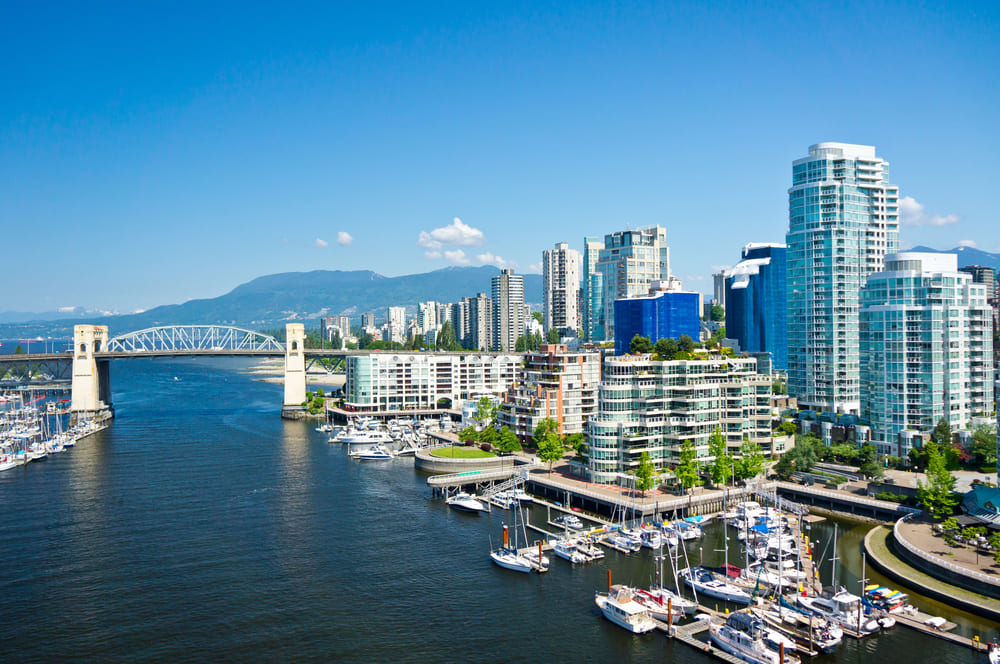
What makes Vancouver particularly special is how accessible everything feels. You don’t need to travel hours outside the city to experience nature, and there’s enough variety to keep you entertained whether you’re visiting for a weekend or an entire week.
I’ve put together my favorite things to do in Vancouver, along with recommendations for where to stay, when to visit and how to make the most of your time.
Best Things To Do In Vancouver
From waterfront walks and mountain adventures to museums and unusual attractions, these are the Vancouver experiences I recommend adding to your itinerary.
1. Explore Stanley Park And The Vancouver Seawall
If you only have time for one outdoor attraction in Vancouver, make it Stanley Park.
This enormous 400-hectare (1,000-acre) park sits right beside downtown, yet its towering cedar and Douglas fir trees make parts of it feel surprisingly remote.
One of the best ways to explore is by cycling the Stanley Park Seawall, a paved waterfront path that loops approximately 9 kilometers (5.6 miles) around the park.
One of my favorite Vancouver moments was cycling along the Seawall, stopping whenever another incredible view appeared. With the ocean beside me and mountains in the distance, I kept forgetting I was only minutes from downtown.
Along the way, you’ll pass Brockton Point Lighthouse, Siwash Rock and beautiful beaches. Don’t miss the totem poles at Brockton Point, which showcase the artistic traditions of several First Nations.
You can also explore the park’s peaceful forest trails if you’d prefer to escape the busy waterfront.
I recommend allowing at least two to three hours, or longer if you want to visit the beaches and explore the forest.
Tip: Cyclists must follow the designated direction around the Seawall. Check for temporary closures before setting out, as sections occasionally close for maintenance.
2. Visit The Vancouver Aquarium
Located inside Stanley Park, the Vancouver Aquarium is one of the city’s best family-friendly attractions.
It’s home to thousands of aquatic animals, including colorful tropical fish, jellyfish, seals and sea otters, with exhibits exploring marine environments from British Columbia and around the world.
I particularly recommend spending time watching the sea otters. They’re incredibly entertaining, and it’s easy to lose track of time watching them swim, dive and play.
The aquarium also plays an important role in marine conservation and animal rescue, making it an interesting place to learn about the challenges facing ocean wildlife.
Allow approximately two to three hours for your visit. I recommend booking tickets online, particularly during summer and school holidays.
Since the aquarium is inside Stanley Park, it’s easy to combine both attractions on the same day.
3. Experience Canada Place And Flyover Canada
Canada Place is one of Vancouver’s most recognizable landmarks, thanks to its distinctive white roof designed to resemble ship sails.
Located on the downtown waterfront, it’s also the city’s main cruise terminal and a fantastic place to admire views across Burrard Inlet toward North Vancouver and the mountains.
I recommend taking a walk along the promenade, where you can watch seaplanes taking off and landing on the harbor.
Canada Place is also home to Flyover, formerly known as FlyOver Canada.
This immersive flying theater combines a huge curved screen, moving seats and special effects to make you feel as though you’re soaring over spectacular landscapes.
Your feet dangle above the floor while wind, mist and movement add to the sensation of flying.
I wasn’t expecting the experience to feel quite so realistic. The combination of movement and enormous scenery made me instinctively grip the seat during some of the dramatic flying sequences.
It’s a fantastic experience for families, although minimum height restrictions apply.
Click here to buy discounted Flyover tickets.
Allow around a half hour for Flyover, plus time to enjoy the waterfront. The featured film changes, so check what’s showing before booking.
4. Explore Gastown And See The Steam Clock
Gastown is Vancouver’s oldest neighborhood and one of its most atmospheric areas to explore.
Its cobblestone streets, historic brick buildings and independent shops make it a lovely place to wander, particularly if you enjoy photography or interesting architecture.
The neighborhood’s most famous attraction is the Gastown Steam Clock, installed in 1977 at the corner of Water and Cambie Streets.
The clock releases steam and plays a musical whistle sequence at regular intervals.
I found the crowds gathering around the clock almost as entertaining as the clock itself. Everyone seemed to be waiting for the perfect moment to take a photograph.
I recommend arriving a few minutes before one of its performances.
Gastown also has plenty of restaurants, cafés and boutiques, making it an excellent place to stop for lunch or dinner.
Allow around one to two hours to explore, or longer if you want to browse the shops.
5. Visit The Vancouver Police Museum
For something completely different, I recommend visiting the Vancouver Police Museum and Archives.
This fascinating museum explores Vancouver’s history of crime, policing and forensic investigation.
After spending decades in the city’s former morgue and coroner’s court, the museum moved to a new location in Gastown in November 2026.
You’ll now find it on the second floor of the Woodward’s Building at 351 Abbott Street.
Its collections include historical police artifacts, photographs and documents relating to criminal investigations and the development of policing in Vancouver.
It’s particularly interesting if you enjoy true crime or discovering lesser-known aspects of a city’s history.
The museum is continuing to develop its new exhibitions, so I recommend checking what’s currently on display before visiting.
Allow around one to two hours.
Opening hours: Generally Thursday to Sunday, 10 AM–5 PM. Check the current schedule before visiting.
6. Discover Science World
Science World is one of Vancouver’s most distinctive buildings, thanks to its enormous silver geodesic dome beside False Creek.
Originally built for Expo 86, it’s now an interactive science museum and one of the best things to do in Vancouver with kids.
Instead of simply looking at exhibits, visitors can experiment, solve puzzles and discover how scientific principles work through hands-on activities.
The galleries explore subjects including physics, biology, engineering and mathematics, with temporary exhibitions adding something different throughout the year.
I particularly recommend Science World for school-age children who enjoy experimenting and figuring things out for themselves.
The museum also has an OMNIMAX dome theater, although it’s currently closed. Check the official website for updates.
Allow two to three hours, or longer if your children particularly enjoy science.
Science World is conveniently located near Main Street–Science World SkyTrain Station.
7. Explore Granville Island Public Market
If you love food markets, don’t miss Granville Island.
This former industrial district beside False Creek has been transformed into a lively area filled with food stalls, artisan workshops, galleries and independent shops.
Its main attraction is Granville Island Public Market, where you’ll find fresh produce, seafood, baked goods, cheeses, chocolates and delicious prepared meals.
I recommend arriving hungry and choosing something for lunch before finding a spot overlooking the water.
The hardest part of visiting the market was deciding what to eat. Every time I thought I’d made up my mind, another stall tempted me with something that looked even better.
Beyond the market, there’s plenty to explore, including a dedicated Kids Market and numerous art studios.
One of the most enjoyable ways to arrive is by taking a small passenger ferry across False Creek. These colorful little boats are a fun experience in themselves.
Allow at least two to three hours, particularly if you enjoy browsing shops.
Opening hours: The Public Market is generally open from 9 AM to 6 PM, although it closes on Mondays in January for maintenance and has some holiday closures.
8. Visit The Museum Of Anthropology At UBC
The Museum of Anthropology at the University of British Columbia is one of Vancouver’s most important cultural attractions.
It’s particularly famous for its outstanding collections of Indigenous art, including enormous carved poles, sculptures and cultural objects from First Nations communities.
The Great Hall is especially impressive, with its soaring ceilings and large windows providing a beautiful setting for the artworks.
You’ll also find works by celebrated Haida artist Bill Reid, along with exhibitions exploring Indigenous cultures, histories and contemporary issues.
I recommend this museum if you’re interested in understanding more about the people and cultures that have shaped British Columbia.
The building itself, designed by architect Arthur Erickson, is also worth seeing.
The museum reopened in 2024 following extensive seismic upgrades.
Allow two to three hours for your visit.
Since it’s located on the UBC campus, I recommend combining it with a walk around the university grounds or nearby Pacific Spirit Regional Park.
9. Walk Across Capilano Suspension Bridge
Capilano Suspension Bridge Park is one of Vancouver’s most famous attractions, and it’s easy to see why.
Located in North Vancouver, its enormous suspension bridge stretches 137 meters (450 feet) across a forested canyon, approximately 70 meters (230 feet) above the Capilano River.
Walking across is an unforgettable experience, particularly when the bridge sways beneath your feet.
I knew the bridge would move, but I still wasn’t prepared for how much I noticed the movement when I first stepped onto it. Once I stopped concentrating on my feet, the views down into the canyon were incredible.
There’s plenty more to explore beyond the main bridge.
Treetops Adventure features smaller suspension bridges connecting platforms high among the trees, while Cliffwalk follows the side of the canyon on a narrow elevated walkway.
The surrounding rainforest is beautiful, with enormous trees and interpretive displays explaining the ecosystem.
Allow around two to three hours.
Admission is relatively expensive, but the ticket includes several attractions rather than just the suspension bridge.
A complimentary shuttle normally operates from selected downtown Vancouver locations. Check the current schedule before visiting.
10. Take The Gondola Up Grouse Mountain
For spectacular mountain views, head to Grouse Mountain in North Vancouver.
The gondola ride is a highlight, carrying visitors high above the forest to the mountain’s upper attractions.
On a clear day, the views across Vancouver, Burrard Inlet and the surrounding mountains are fantastic.
There’s plenty to do at the top, with activities changing throughout the year.
During the warmer months, you can enjoy hiking, wildlife experiences and seasonal entertainment. The mountain is also home to a grizzly bear habitat, where the resident bears can be seen during their active season.
If you’re feeling particularly energetic, the Grouse Grind is a famous steep hiking trail that climbs the mountain through the forest.
However, it’s a demanding hike and isn’t suitable for everyone. The trail is seasonal and can close because of weather or maintenance.
During winter, Grouse Mountain becomes a popular destination for skiing, snowboarding and snowshoeing.
I recommend allowing at least half a day.
Since Grouse Mountain and Capilano Suspension Bridge are both in North Vancouver, you can combine them into one excellent day trip.
11. Relax At English Bay And Vancouver’s Beaches
One of Vancouver’s biggest attractions is its beautiful waterfront, and you don’t have to leave the city to enjoy a beach.
English Bay Beach, located beside the West End neighborhood, is one of the most popular places to relax.
It’s particularly beautiful in the late afternoon, when the sun begins setting over the water.
After a busy day sightseeing, sitting beside English Bay and watching the light change over the water felt like the perfect way to finish the day.
The waterfront is lined with walking paths, and there are plenty of restaurants and cafés nearby.
Another excellent option is Kitsilano Beach, which has lovely views toward downtown Vancouver and the North Shore Mountains.
For somewhere quieter, consider Spanish Banks, known for its wide sandy areas at low tide.
The Pacific Ocean can be chilly even in summer, but Vancouver’s beaches are wonderful for walking, relaxing and enjoying the scenery.
12. Explore Queen Elizabeth Park
Queen Elizabeth Park is one of Vancouver’s prettiest green spaces and a fantastic place to enjoy panoramic views of the city.
Located on Little Mountain, approximately 125 meters (410 feet) above sea level, it offers beautiful views toward downtown Vancouver and the North Shore Mountains.
The park is particularly famous for its landscaped gardens, including the Quarry Garden, where colorful flowers, pathways and water features fill a former rock quarry.
I recommend taking time to wander through the gardens rather than simply stopping at the viewpoint.
Another highlight is the Bloedel Conservatory, a domed tropical garden filled with lush plants and colorful birds.
It’s especially appealing on a cool or rainy day.
The park itself is free to explore, although the conservatory charges admission.
Allow one to two hours, with extra time if you’re visiting the conservatory.
13. Visit The Richmond Olympic Experience
If you’re interested in sports, the Richmond Olympic Experience is a fantastic attraction.
Located inside the Richmond Olympic Oval, which hosted speed skating during the 2010 Vancouver Winter Olympics, this interactive museum explores Olympic history and the achievements of elite athletes.
There are more than 30 exhibits, including sports simulators that allow visitors to test their abilities in activities inspired by Olympic events.
I particularly like the opportunity to compare your skills with professional athletes. It’s a fun way to appreciate just how difficult Olympic sports really are.
You’ll also find Olympic memorabilia and displays exploring important moments in sporting history.
Allow around one to two hours.
The museum is located in Richmond, south of downtown Vancouver, making it a convenient option if you’re staying near the airport.
Opening hours: Thursday to Sunday, 10 AM–5 PM. Limited free admission is available on the first Thursday of each month between 2 PM and 5 PM, subject to availability.
14. Explore Chinatown And Dr. Sun Yat-Sen Classical Chinese Garden
Vancouver’s Chinatown is one of the city’s most historically significant neighborhoods, reflecting the important role Chinese immigrants played in the development of British Columbia.
Its most famous attraction is the Dr. Sun Yat-Sen Classical Chinese Garden, a beautiful traditional garden inspired by Ming Dynasty design.
Inside, you’ll find peaceful courtyards, ornamental rocks, ponds and carefully arranged plants.
It’s a lovely contrast to the busy city streets outside.
I recommend visiting if you enjoy gardens, architecture or learning about different cultures.
The classical garden is a ticketed attraction, although there’s also an adjoining public park area.
Allow around an hour for the garden, plus additional time to explore Chinatown.
You can easily combine this area with Gastown and the Vancouver Police Museum.
15. Watch A Vancouver Canucks Hockey Game
Watching an ice hockey game is one of the most entertaining ways to experience Canadian sporting culture.
Vancouver’s NHL team, the Canucks, plays its home games at Rogers Arena, near downtown.
Even if you’re not particularly interested in sports, I recommend going for the atmosphere.
The speed of the game surprised me most. Between the action on the ice, the cheering crowd and the excitement whenever someone came close to scoring, there was barely a quiet moment.
The NHL regular season generally runs from October to April, with playoffs continuing into spring for qualifying teams.
Tickets can be expensive for popular games, so I recommend booking ahead.
If you’re visiting outside hockey season, check the Rogers Arena events calendar for concerts and other performances.
Where To Stay In Vancouver
I recommend staying in downtown Vancouver if you’re visiting for the first time. You’ll be close to major attractions, restaurants and public transportation, making sightseeing much easier.
However, accommodation can be expensive, particularly during summer and the Alaska cruise season.
Here are four options worth considering for different budgets and travel needs.
Best: Rosewood Hotel Georgia Review

Rosewood Hotel Georgia is one of Vancouver’s most luxurious hotels, located in the heart of downtown, within walking distance of shopping, restaurants and attractions such as Gastown and Canada Place.
This elegant historic property underwent an extensive renovation in 2024 and offers excellent facilities, including an indoor saltwater pool, fitness center, luxury spa and several dining options, including Hawksworth Restaurant.
Accommodation ranges from luxurious king rooms and rooms with two double beds to spacious suites with separate living areas. The double-bed rooms can accommodate families of four, while the most luxurious suites feature private rooftop terraces and plunge pools.
Rooms have elegant marble bathrooms, Nespresso coffee makers and complimentary Wi-Fi. Some also feature deep soaking tubs.
I recommend Rosewood Hotel Georgia if you’re looking for a luxurious stay in central Vancouver, particularly if you want excellent facilities and easy access to the city’s main attractions.
Click here to check the latest prices for Rosewood Hotel Georgia.
Midrange: Rosedale On Robson Suite Hotel Review

Rosedale on Robson Suite Hotel is an excellent choice if you want a central location and more space than a standard hotel room.
Located near Robson Street and Yaletown, it’s within walking distance of restaurants, shopping and attractions such as BC Place and Rogers Arena.
Accommodation includes one-bedroom suites with king, queen or double beds, as well as spacious two-bedroom suites. Families can choose a dedicated family suite with a queen bed and two twin beds, or a two-bedroom suite with two queen beds.
All suites have separate living areas and fully equipped kitchenettes, making them particularly convenient for longer stays.
Facilities include an indoor swimming pool, hot tub, saunas, fitness equipment and a breakfast room.
I particularly recommend Rosedale on Robson for families or longer stays, when having extra space and the ability to prepare your own meals can make a big difference.
Click here to check the latest prices for Rosedale on Robson Suite Hotel.
Budget: Vancouver Mini Suite Review

Vancouver Mini Suite is worth considering if you’re looking for self-contained accommodation outside Vancouver’s expensive downtown area.
Located in a quiet residential neighborhood in southeastern Vancouver, this guesthouse-style property has a private entrance, king-size bed, bathroom, kitchenette, washer-dryer and free parking.
It’s a practical option if you have a car or don’t mind traveling farther to reach the main attractions.
I recommend comparing its price with downtown hotels before booking, as the extra transportation time may outweigh any savings.
Click here to check the latest prices for Vancouver Mini Suite.
Airport Stopover: Holiday Inn Express Vancouver Airport Review

If you’re spending a night in Vancouver between flights, Holiday Inn Express Vancouver Airport is an excellent option.
Located in Richmond, just a short drive from Vancouver International Airport, it offers a complimentary airport shuttle operating daily from 3:45 AM to 1 AM.
Accommodation includes rooms with king, queen or two queen beds, as well as larger suites. The two-queen rooms are particularly convenient for families. All rooms have been recently updated and include comfortable beds, 50-inch TVs and free Wi-Fi.
Facilities include a complimentary hot breakfast, fitness center, business center and self-service laundry. There’s also secure parking for an additional fee.
The hotel is within walking distance of Bridgeport SkyTrain Station, making it easy to reach downtown Vancouver in around 25 minutes without renting a car.
I recommend this hotel for short stopovers, particularly if you’re arriving late or departing early.
Click here to check the latest prices for Holiday Inn Express Vancouver Airport.
Best Time To Visit Vancouver
I recommend visiting Vancouver between June and September, when the weather is generally warm and sunny, making it ideal for exploring parks, beaches and outdoor attractions.
July and August offer some of the best weather, with long daylight hours and plenty of opportunities for cycling, hiking and waterfront sightseeing.
However, summer is also the busiest season, particularly with Alaska cruise passengers arriving and departing. Accommodation can be expensive, so book well in advance.
May and September are excellent alternatives, with potentially pleasant weather and fewer crowds.
Fall brings colorful foliage but increasing rainfall, while winter is generally mild compared with much of Canada.
Snow is uncommon in downtown Vancouver, although the surrounding mountains receive plenty, making winter a great time for skiing and other snow activities.
If you’re visiting during the cooler months, I recommend mixing outdoor attractions with museums so you can adjust your plans around the weather.
How To Get To Vancouver
Vancouver is one of Canada’s major transportation hubs and is easy to reach by plane, train, bus or cruise ship.
Flying To Vancouver
Most international visitors arrive at Vancouver International Airport (YVR), located in Richmond, approximately 13 kilometers (8 miles) south of downtown.
The airport has extensive connections throughout Canada, the United States and other international destinations.
Getting From Vancouver Airport To Downtown
The easiest way to reach downtown is usually the Canada Line SkyTrain, which connects the airport with stations including Vancouver City Centre and Waterfront.
The journey to Waterfront Station takes approximately 25 minutes.
You can pay using a Compass Card, contactless credit or debit card, or compatible mobile wallet.
An additional CAD $6.50 airport surcharge applies to most journeys departing YVR toward the city, on top of the regular fare. It doesn’t apply when traveling to the airport, and certain prepaid tickets and passes are exempt.
Taxis and ride-hailing services are also available, which may be more convenient if you’re traveling with lots of luggage or several people.
Arriving By Train Or Bus
VIA Rail’s The Canadian connects Vancouver with Toronto via the Canadian Prairies and Rocky Mountains, offering a spectacular multi-day train journey.
Amtrak Cascades also connects Vancouver with Seattle and other destinations in Washington State.
Major intercity trains use Pacific Central Station, near Main Street–Science World SkyTrain Station.
Long-distance buses connect Vancouver with other destinations in British Columbia and the United States.
Arriving By Cruise Ship
Vancouver is a major departure point for Alaska cruises, with most ships using the Canada Place cruise terminal in downtown.
If you’re visiting before or after a cruise, I recommend allowing at least two or three days to explore Vancouver rather than simply traveling between the airport and terminal.
Getting Around Vancouver
Vancouver has an excellent public transportation system, so you generally don’t need a rental car for sightseeing.
I recommend using a combination of walking, SkyTrain, buses and the SeaBus.
Downtown Vancouver is very walkable, while SkyTrain connects the city center with areas including Richmond, Burnaby, Surrey and Vancouver International Airport.
The SeaBus crosses Burrard Inlet between Waterfront Station and Lonsdale Quay in North Vancouver. It’s a practical transportation option with fantastic harbor views.
You can pay for most public transportation using a Compass Card or contactless payment.
For attractions such as Capilano Suspension Bridge and Grouse Mountain, public transportation or attraction-operated shuttles may be available.
I don’t recommend renting a car just to explore central Vancouver, as parking can be expensive. However, having one is useful if you’re planning day trips outside the city.
Vancouver Itinerary: How Many Days Do You Need?
I recommend spending at least two or three days in Vancouver, although there’s easily enough to keep you busy for a week.
Here’s how I’d organize your time.
One Day In Vancouver
Start at Canada Place, enjoying the waterfront views and watching the seaplanes.
If you’re interested, experience Flyover before walking to Gastown to see the Steam Clock.
After lunch, head to Stanley Park.
Rent a bicycle or walk along part of the Seawall, stopping to enjoy the scenery and visit the totem poles.
Finish your day at English Bay Beach, where you can watch the sunset before dinner in the West End.
Two Days In Vancouver
Follow the one-day itinerary, then spend your second day exploring Granville Island and False Creek.
Start at Granville Island Public Market, enjoying breakfast or lunch while browsing the food stalls.
Take a small ferry across False Creek and continue toward Science World.
If you’re traveling with children, spend a few hours exploring the interactive exhibits.
Alternatively, visit the Museum of Anthropology at UBC or Queen Elizabeth Park.
Finish the evening at a restaurant or, if the schedule works, a Vancouver Canucks hockey game.
Three Days In Vancouver
With three days, I recommend spending your final day exploring North Vancouver.
Start at Capilano Suspension Bridge Park, allowing two to three hours to explore its suspension bridges and forest attractions.
Then continue to Grouse Mountain, where you can take the gondola to the summit and enjoy the views and seasonal activities.
Both attractions are substantial experiences, so I recommend dedicating the full day to them.
If you’re more interested in museums and culture, you could instead visit Chinatown, the Vancouver Police Museum and the Richmond Olympic Experience. Just remember that the latter two attractions are generally closed Monday to Wednesday.
Final Words
Vancouver is a fantastic destination, combining beautiful mountain and ocean scenery with interesting neighborhoods, museums, food markets and outdoor adventures.
Whether you’re visiting for a weekend or spending a few days before an Alaska cruise, there are plenty of incredible things to do in Vancouver.
I recommend allowing time to enjoy both the city’s attractions and its beautiful natural surroundings. That’s what makes Vancouver such a special place to visit.
Find more guides to visiting the Americas here.